


Head Researcher
Underwater sex is a thrilling concept for many, sparking fantasies of intimacy in pools, oceans, hot tubs, or even a quiet bathtub. It blends adventure, vulnerability, and sometimes even fetish appeal into one seductive scenario. But can you have satisfying sex underwater without consequences? What happens if you try breath-holding, scuba play, or even mild bondage in water? Is it safe, or is it more dangerous than it looks?

While it may seem romantic or adventurous, numerous physical and biological factors make underwater sex more complicated than it appears. The guide walks you through what’s possible, what’s harmful, and how to reduce risks if you decide to try it. Let’s dive in.
Table of Contents
What Is Underwater Sex?
Underwater sex refers to engaging in sexual activity while at least one partner is submerged in water. This can happen in a swimming pool, hot tub, ocean, lake, shower, or bathtub. Some couples experiment in shallow water where they can touch the bottom; others attempt deeper settings using breath-hold techniques or even recreational scuba equipment—though the latter requires extreme caution and training.
The fantasy often revolves around buoyancy. Water makes bodies feel lighter, which can make certain positions possible that might be harder on land. For example, wrapping legs around a partner while floating can feel effortless. However, the same buoyancy that feels freeing also removes leverage, making thrusting and balance much harder to control.

Underwater sex can include penetrative intercourse, oral sex near the waterline, manual stimulation, or the use of waterproof toys. Some adventurous couples even incorporate light bondage or dominance dynamics, though adding restraints in water dramatically increases drowning risk and is strongly discouraged. Despite its cinematic appeal, underwater sex is less about smooth movie-style movement and more about constant adjustment, stability, and awareness.
Is It Safe to Have Underwater Sex?
This is the question most people ask: Is it safe?
The short answer is—it can be done, but it carries additional risks compared to sex on land.
Water does not act as a lubricant. In fact, it does the opposite, increasing friction and the risk of tissue irritation or tearing. Water can even occasionally get trapped in the vagina, which can irritate even after getting out of the water [1]. Even in man-made water repositories (e.g., swimming pools), individuals can be exposed to specific infections, such as trichomoniasis [2].
Water also does not prevent pregnancy or sexually transmitted infections. Chlorine does not kill sperm inside the body. If ejaculation happens internally, pregnancy is absolutely possible. Likewise, STIs can still transmit normally.
Additionally, condoms are more likely to slip off or tear in water because friction increases due to dryness, chemicals like chlorine may weaken latex, and wet conditions reduce grip. There are also other challenges related to health and fulfillment. With the right precautions and preparation, these risks can be managed.
However, it’s essential to fully understand the potential dangers before diving in. The following are risks you might encounter when engaging in sex in the water.
Dangers You May Encounter
Several dangers can turn the experience uncomfortable or even harmful. These risks include physical and environmental challenges that can cause irritation, infection, or injury. Here are the key dangers you should be aware of:
Increased Risk of Microtears and Friction Burns
Water doesn’t naturally provide lubrication, and it often washes away both natural vaginal secretions and store-bought lubricants. This can lead to dryness, which increases friction during sex and can result in microtears in sensitive areas like the vagina or anus. Friction burns are also a common concern, especially when engaging in vigorous movements or penetrative sex. To reduce these risks, always use a generous amount of water-resistant silicone-based lubricant and avoid rough or prolonged intercourse.
Urinary Tract Infections
Sex in water increases the chances of urinary tract infection (UTI), as bacteria from the water can enter the urethra, leading to infection. Public pools, hot tubs, and natural bodies of water can harbor bacteria like E. coli, which thrive in warm, moist environments. After sex, it’s crucial to urinate immediately to flush out any bacteria and reduce the risk of UTIs. Women are particularly vulnerable to UTIs due to the female lower urinary tract anatomy and its closeness to the reproductive organs, but anyone can be affected [3].

Yeast Infections and pH Imbalance
Water exposure, particularly in public or chlorinated bodies of water, can alter the natural pH balance of the vagina, leading to yeast infections. Chlorine in pools, along with bacteria in natural bodies of water, can irritate the vaginal area, promoting yeast growth. To prevent this, avoid prolonged exposure to high levels of chemicals in water, and always rinse off with fresh water after swimming. It’s also helpful to dry off as soon as possible to minimize the risk of infection.
Skin Irritation and Chemical Burns
Extended exposure to pool chemicals, such as chlorine, can pose noteworthy risks to skin and hair health. The effects range from dry, itchy skin and acne to more extreme effects such as increased dermal permeability and long-term oxidative stress [4]. Hot tubs and pools with high temperatures can exacerbate skin irritation and even cause dehydration or burns if exposed for too long. To minimize the risk of irritation, rinse off with fresh water immediately after swimming in chlorinated pools or hot tubs. Limit your time in hot water to avoid overheating and skin damage.
Drowning or Injury
Although rare, the risk of drowning or injury can increase when engaging in sex in deeper water. Water’s buoyancy can make it difficult to maintain stability and proper positioning, especially if performing complex movements or if you can’t touch the bottom. The slippery nature of water may also cause you to lose your footing and fall, resulting in injuries. To avoid these dangers, stay in shallow water or an area where you can easily touch the bottom for support, and always ensure you can breathe freely and safely.
Air Embolism Risk (Hot Tub Jets)
One of the most overlooked dangers associated with underwater sexual activity involves exposure to high-pressure hot tub or spa jets. Forceful air or water propulsion into the vagina introduced air into the bloodstream, leading to venous air embolism. This occurs when air enters the circulatory system and obstructs blood flow, potentially affecting the heart, lungs, or brain. Although uncommon, air embolisms can be life-threatening and require immediate emergency treatment. The risk increases with high-pressure jets and prolonged exposure. To reduce risk, never position genital areas directly over or against powerful jets, and disable strong jet settings during intimate activity.
Legal and Privacy Risks
Engaging in sexual activity in public or semi-public bodies of water—such as beaches, pools, lakes, or hotel hot tubs—can carry significant legal consequences. Most jurisdictions classify sexual acts in public view as public indecency, indecent exposure, or lewd conduct. Under laws in the United States, the United Kingdom, Canada, and many other countries, being observed by others (including unintentionally) can result in misdemeanor or even criminal charges. These offenses may result in fines, arrest, probation, or, in severe cases, mandatory registration requirements, depending on local statutes. Even secluded beaches or nighttime settings do not guarantee legal protection if there’s public visibility. Beyond criminal liability, there are reputational and employment risks if incidents become public. Ensuring true privacy—such as within a private residence—is the only reliable way to avoid legal exposure.

By taking proper precautions, including the tips mentioned below, the risks of underwater sex can be minimized. However, being aware of these dangers is crucial to ensure a pleasurable and safe experience.
If You Still Dare to Have Sex in the Water: Some Tips
If you decide to explore underwater sex, preparation makes all the difference. Here are ways to make it safer and more comfortable:
Use the Right Lubricant
As mentioned earlier, water will wash away most lubricants, leaving you dry and potentially irritated. To ensure a comfortable experience, opt for a silicone-based lubricant. Unlike water-based lubes, silicone stays slippery and effective in the water, allowing you to enjoy longer, more comfortable sessions without friction. Avoid using oil-based lubes, as they can create a mess in pools and hot tubs and may even irritate your skin.
Choose Stable Positions
Positioning is crucial when it comes to underwater sex. Water eliminates the natural leverage we rely on during intercourse, so it’s vital to choose positions that provide stability. Consider standing in the shallow end of a pool or sitting on a hot tub bench. Positions like “doggy style” in a shallow pool, where both partners can touch the bottom, or “cowgirl” in a hot tub, where one partner can sit on top, are easier to maintain. Avoid attempting complex or acrobatic positions, as the water will make it much more difficult to maintain balance.
Start with Foreplay
To combat the issue of natural lubrication being washed away, start with a lot of foreplay before entering the water. Kiss, touch, and stimulate each other on land to build arousal before getting into the water. This will help ensure your body is ready and lubricated for the underwater experience. It’s also a great way to explore each other’s bodies in a new and exciting way, without immediately rushing into intercourse.
Consider Waterproof Toys Instead of Intercourse
In many underwater settings, focusing on external stimulation or mutual masturbation is more comfortable and lower risk than penetration. Waterproof, body-safe silicone toys designed specifically for bath or shower use can provide stimulation without the same level of friction or instability associated with intercourse.
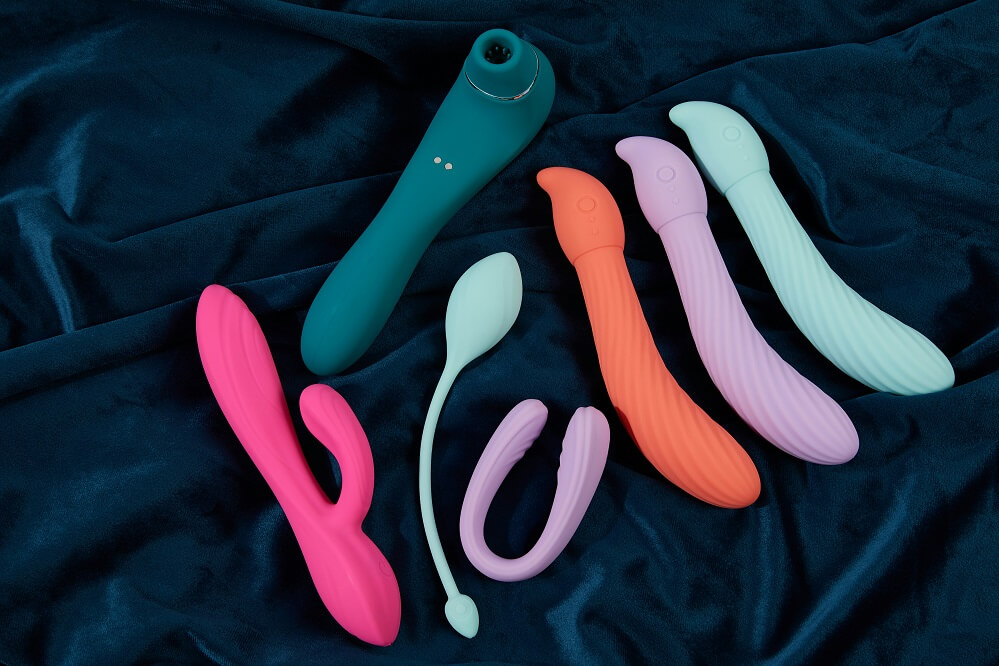
For example, you can explore the best sex toys for men if you want devices designed to handle moisture safely. Ensure that any toy used is clearly labeled waterproof (not just water-resistant), made from non-porous materials, and cleaned thoroughly before and after use to prevent bacterial growth. Choosing external pleasure methods can reduce physical strain, minimize infection risk, and make the experience safer and more enjoyable overall.
Choose the Right Water Temperature
Water temperature plays a significant role in the comfort of underwater sex. If the water is too cold, it can decrease your body’s arousal and make things uncomfortable. On the other hand, hot water (as in hot tubs) can cause overheating, which might lead to dizziness or fatigue. For individuals with certain illnesses, such as heart disease, hot tubs may augment the risk of an irregular heartbeat.
Aim for a comfortable middle ground that doesn’t hinder your physical or emotional connection. Also, be mindful of the duration of your underwater activities in hot water to avoid heat exhaustion or dehydration. Long-term use of saunas and hot tubs may harm sperm, sabotaging fertility. Because of this, those trying to get pregnant should avoid hot tub sex, particularly in hot water [5].
Practice Safe Sex
Water sex doesn’t negate the need for protection. You can also explore different sensual settings before trying water—many couples experiment with the best places to have sex before trying underwater sex. If you’re engaging in penetrative sex, always use condoms to prevent STIs and pregnancy. If you’re unsure whether your condom will stay in place, consider using a polyurethane condom, which is more resistant to chlorine and other pool chemicals than traditional latex condoms. If you are concerned about the possibility of UTIs or vaginal infections, be sure to rinse off thoroughly after sex and dry off quickly.
Conclusion
Underwater sex carries a strong fantasy appeal. The feeling of buoyancy, novelty, and risk can make it exciting. But it also comes with very real medical and physical considerations.
Water is not lubrication. Chlorine does not prevent pregnancy. Infections are possible. Condoms can fail. And breath-holding or bondage underwater can be extremely dangerous.
That doesn’t mean it’s impossible. With preparation, silicone lubricant, stable positions, waterproof toys, proper hygiene, and privacy, it can be explored more safely.
Whether you’re in a pool, hot tub, or bathtub, approach underwater sex with curiosity and caution, and be sure to prioritize both safety and pleasure. The goal is exceptional sexual pleasure.
References:
- Vaginal entrapment of bathwater: a source of extra-urethral incontinence. By Karen Psooy and Jason P. Archambault. Published: October 2010. Pmc.ncbi.nlm.nih.gov.
- Trichomoniasis: Is it always sexually transmitted? By Subitha Kandamuthan, Renu Thambi, and Jyotsna Yeshodharan. Published: July 2014. Pmc.ncbi.nlm.nih.gov.
- Urinary tract infection in women. By Krzysztof Czajkowski, Magdalena Broś-Konopielko, and Justyna Teliga-Czajkowska. Published: April 2021. Pmc.ncbi.nlm.nih.gov.
- Chronic effects of swimming pool disinfectants on skin and hair. By Arihan Maitra and Akshay Talati. Published: October 21, 2024. Oarjbp.com.
- Testicular Heat Stress and Sperm Quality. By Damayanthi Durairajanayagam, Rakesh K. Sharma, Stefan S. du Plessis, and Ashok Agarwal. Published: January 1, 2014. Link.springer.com.
Head Researcher