


Head Researcher
Many people spend time worrying about whether sex lasts long enough or too long, especially for the first time or in a new relationship. In reality, there is no single perfect number. Different couples have different expectations, energy levels, and preferences.
This article sheds light on the average duration of sex, what research and science say about it, the main factors that influence timing, and practical ways to improve the overall experience naturally.
Table of Contents
Average Duration of Sex: How Long Is It?
If you’ve ever wondered whether your bedroom time matches up with everyone else’s, you’re definitely not the only one. Movies, TV shows, and even those wild stories from friends make it seem like sex goes on for ages. But the science behind it paints a much more realistic picture, and it’s actually pretty reassuring for most couples.
What Do the Statistics Say?
According to large-scale research that used stopwatches (yes, real couples timed themselves), the average penetrative sex duration lands right around 5 to 6 minutes. That’s from the moment of penetration until the point of ejaculation in most cases. The full range is wide, anywhere from under a minute to over 40 minutes, but the middle ground that most people fall into sits between 3 and 13 minutes.
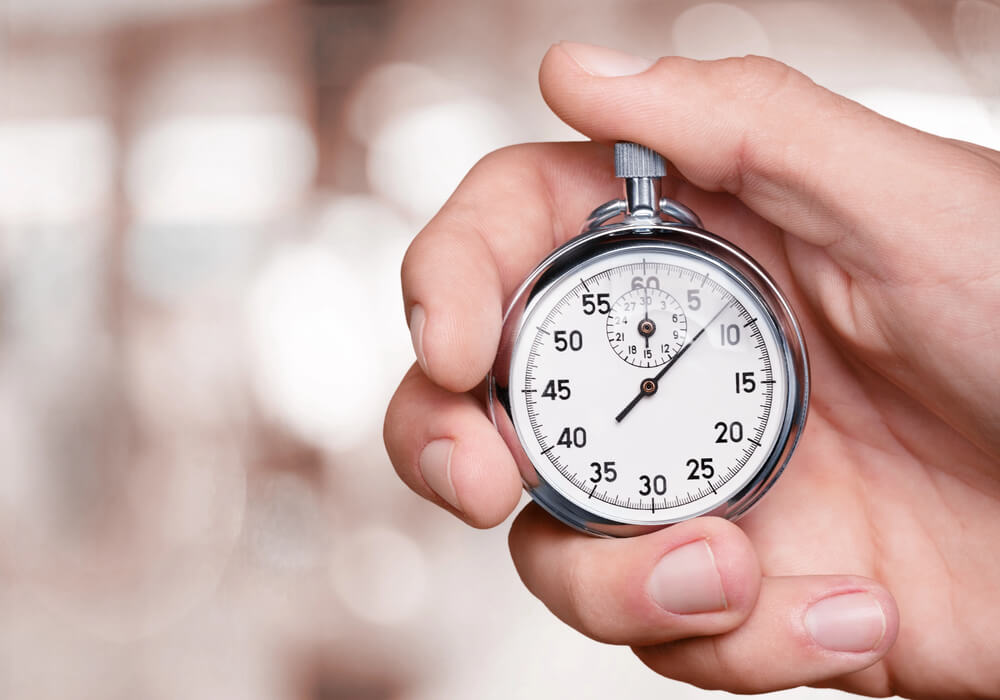
One big takeaway from the data is that what feels “normal” to sex therapists lines up nicely with real life. They describe anything from 3 to 7 minutes as adequate, 7 to 13 minutes as desirable, under 2 minutes as too short, and anything past 10 to 30 minutes as potentially too long for comfort [1]. And here’s something interesting: penetrating with a condom doesn’t change the timing much at all. Keep in mind these numbers focus mainly on penetrative sex, the part that ends before ejaculation for most guys.
The entire session usually stretches longer when you add in foreplay, kissing, touching, and other fun stuff. Studies also show that women often need a bit more time overall to feel fully satisfied, which is why the total experience matters more than hitting some magic stopwatch number.
Main Factors That Affect How Long Sex Lasts
Lots of things can speed things up or slow them down in the bedroom, and understanding them takes a lot of the guesswork out of the equation. Here are four key factors that play a big role for most couples [2]:
Excitement Level and Experience
New couples or anyone trying something fresh often find things wrap up quicker than planned. For the first time, the thrill and nerves can make your body react faster than you want. Over time, as you get more comfortable with your partner and learn what feels best, things usually settle into a nicer rhythm. Experience teaches control, so the more you practice together, the easier it becomes to stretch out those moments without rushing.
Physical Fitness and Health
The body’s overall condition matters more than most people realize. Regular exercise, good sleep, and a balanced diet help with stamina and blood flow, which can naturally extend how long things last. On the flip side, issues like heart problems, hormone imbalances, or even just being out of shape can shorten the fun. Keeping yourself in a healthy state isn’t just good for everyday life; it directly supports a more satisfying intimate session, too.

Stress and Your Mental State
Daily worries have a sneaky way of showing up right when you least want them. If your mind is busy with work deadlines, money stress, or any other anxiety, it can trigger your body to finish sooner than expected. This actually happens to a lot of men, and it’s one of the most common reasons the clock runs short. If that pattern sounds familiar to you or your partner, you might want to read more in our guide on why do men cum fast.
The Bond You Share with Your Partner
According to women, nothing beats feeling emotionally close during intimacy. When you and your partner feel safe, connected, and tuned into each other, the whole experience becomes more relaxed and enjoyable. That deeper bond really helps sex feel good and often lets the moment last longer because there’s less pressure to “perform.” True satisfaction comes from that shared connection that makes everything flow more naturally.
A Few Tips on How to “Last” Longer
Want to stretch out those intimate moments without feeling like you’re forcing it? The best part is that small, practical changes can make a real difference for many couples. These four straightforward tips are easy to try and focus on building control, connection, and confidence so your time together feels even better [1][3].
Start with Plenty of Foreplay
Rushing straight to the main event is one of the quickest ways to cut things short. Instead, spend more time kissing, touching, and teasing each other first. Including plenty of oral play can help both partners get fully aroused and relaxed, which naturally slows things down once penetration begins. The goal isn’t to check boxes; it’s to enjoy the whole buildup so the session feels smoother and more satisfying when you finally get there.
Use the Stop-and-Start Method
This classic technique is simple but powerful. When you feel yourself getting close, pause everything for 20 to 30 seconds. Breathe, switch positions, or focus on your partner’s pleasure for a bit before picking up again. Most guys find that repeating this a few times during one session helps them gain better control without losing the mood. It takes a little practice, but it quickly becomes second nature and can add several extra minutes.
Strengthen Your Pelvic Floor Muscles
Your pelvic floor muscles are the ones you use to stop the flow of urine midstream. Doing quick daily exercises (often called Kegels) strengthens them over time, giving you more power to hold back when needed. You can even practice during solo time or while sitting at your desk—no one will know. Stronger muscles mean better stamina, and many couples notice a big improvement in how long things last after just a few weeks of consistent effort.
Experiment with New Positions and Toys
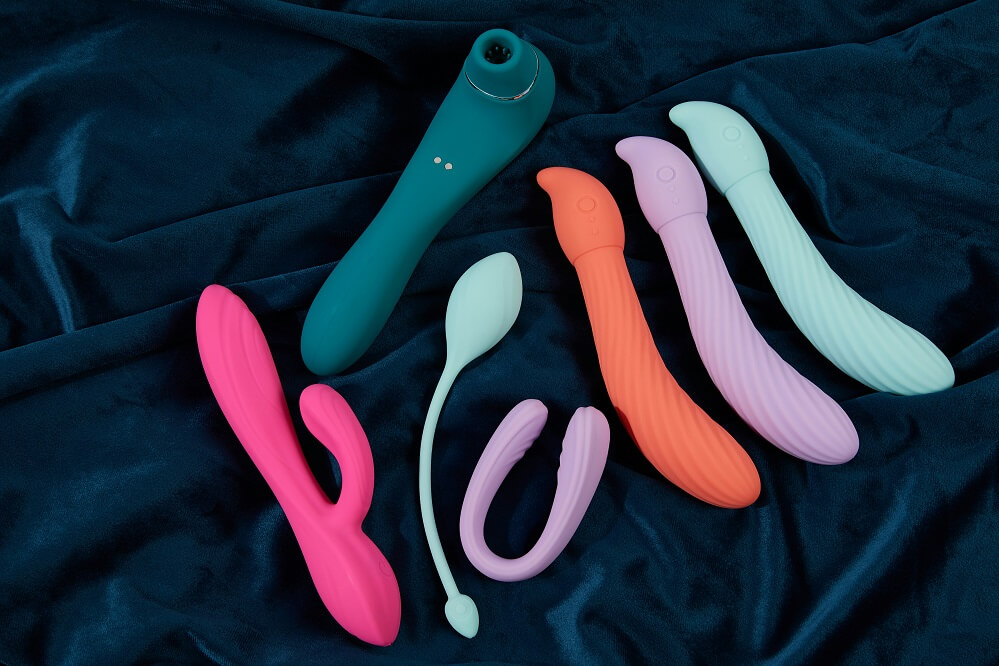
Sticking to the same routine can make your body get used to a certain pace, which sometimes speeds things up. Switching positions or adding a bit of playful variety keeps things fresh and helps you stay present longer. You might even want to explore fun accessories that add new sensations and take some of the pressure off the main event. For example, many couples love discovering fresh ideas with lesbian sex toys that inspire creative ways to play and extend the fun together. With toys and new positions, what normally feels rushed can suddenly feel exciting and unhurried.
Communicate Openly
Communication is often overlooked, but it plays a huge role in creating a better experience. Talking openly about preferences, comfort, and pacing removes pressure and helps both partners feel more relaxed. Most couples say that emotional connection and comfort matter more than unrealistic expectations around timing. A shorter experience with a strong connection can feel far more meaningful than a very long one focused only on performance.
Overall, lasting longer is rarely about one trick or technique. It usually comes from combining physical comfort, confidence, and better communication over time.
So, How Long Should Sex Last?
The honest answer to “how long should sex last” is that there is no perfect number. Despite all the pressure created by the media and unrealistic expectations, the duration of sex depends entirely on the people involved. Some couples enjoy short and spontaneous intimacy, while others prefer a slower and more extended experience.
Research shows that the average experience is often much shorter than people imagine, and that is completely normal. Those super-long marathons you see on screen are more fantasy than everyday reality. Most couples are clocking in right around that 5-to-6-minute mark for the main event, and that’s perfectly fine. What matters far more is comfort, communication, and shared enjoyment. Emotional connection, attentiveness, and overall satisfaction also usually have a bigger impact than simply trying to last longer.
In the end, sex should feel natural rather than forced. Focusing too much on timing can create unnecessary anxiety and take attention away from the experience itself. A “successful” encounter is not measured by the clock but by how both people feel afterward.
References:
- How Long Should Sex Last? Written by Erica Garza. Reviewed by Felix Gussone, MD. Retrieved: May 11, 2026. Hims.com.
- How Long Does Penetrative Sex Last? Written by Kelly Burch. Medically reviewed by Soma Mandal, MD. Retrieved: May 11, 2026. Verywellhealth.com.
- Tips For Lasting Longer In Bed And Having More Sex. Retrieved: May 11, 2026. Trojanbrands.com.
Head Researcher