


Head Researcher
What turns a famous face into a sex symbol? Sometimes it is a movie scene, a poster, or a performance that everyone remembers. Sometimes it is the confidence to challenge an era’s expectations. Here is a decade-by-decade look at 24 stars, the images that made them famous, and the ways their appeal reflected—and occasionally changed—popular culture.
Table of Contents
What Makes Someone a Sex Symbol?
A sex symbol is a public figure widely associated with sexual attractiveness, whether through appearance, charisma, performance, or a distinctive public persona. There is no official qualification: audiences, photographers, studios, magazines, and now social platforms all help create the label. A star might fit prevailing beauty standards or challenge them. Timing matters, too. A memorable role, a widely circulated photograph, or a fashion statement can connect a celebrity to an entire generation. The term is subjective, however, and being called a sex symbol does not tell us how a person views their own image.
1950s — The Golden Age of Hollywood Sex Symbols
Studio publicity, glossy portraits, and movie magazines helped sell polished glamour in the 1950s. Yet audiences also embraced stars who looked less controlled: a rebellious young actor or a French actress who made convention seem old-fashioned.
Marilyn Monroe — The Ultimate Blonde Bombshell
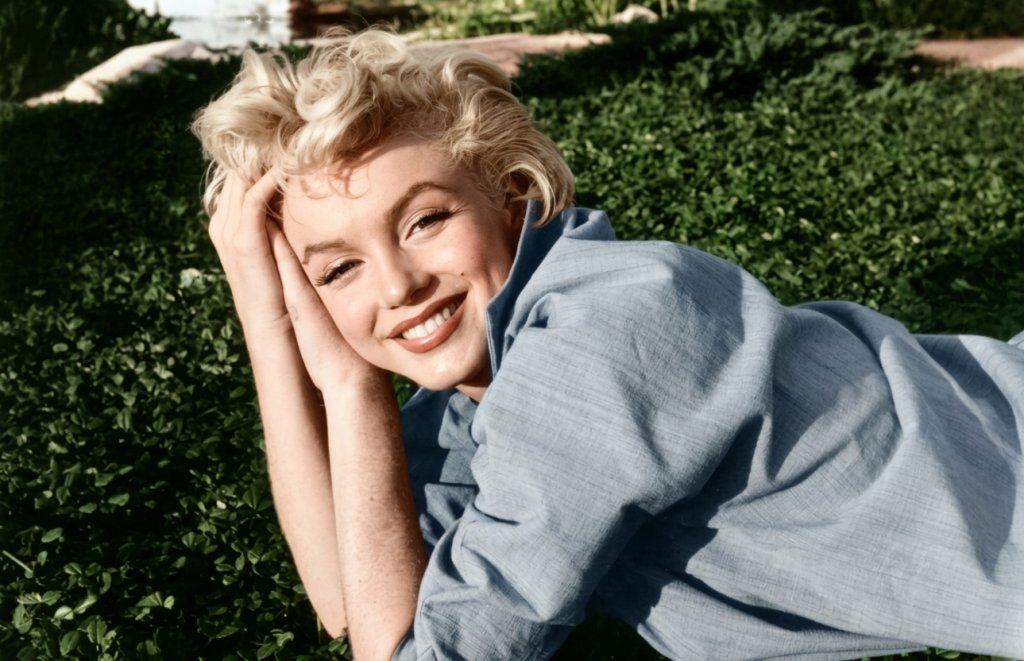
Few Hollywood images are more recognizable than Marilyn Monroe standing over a subway grate in a billowing white dress in The Seven Year Itch (1955). The scene distilled the playful, carefully staged glamour associated with her screen persona. But Monroe was also a gifted comic performer, especially in Gentlemen Prefer Blondes (1953) and Some Like It Hot (1959). Her breathy delivery and impeccable timing made the persona memorable beyond the photographs. She also fought for more control over her career, establishing Marilyn Monroe Productions in 1955 [1]. Her enduring appeal rests partly on that tension between the image audiences adored and the ambitious actress behind it.
James Dean — Hollywood’s Original Bad Boy
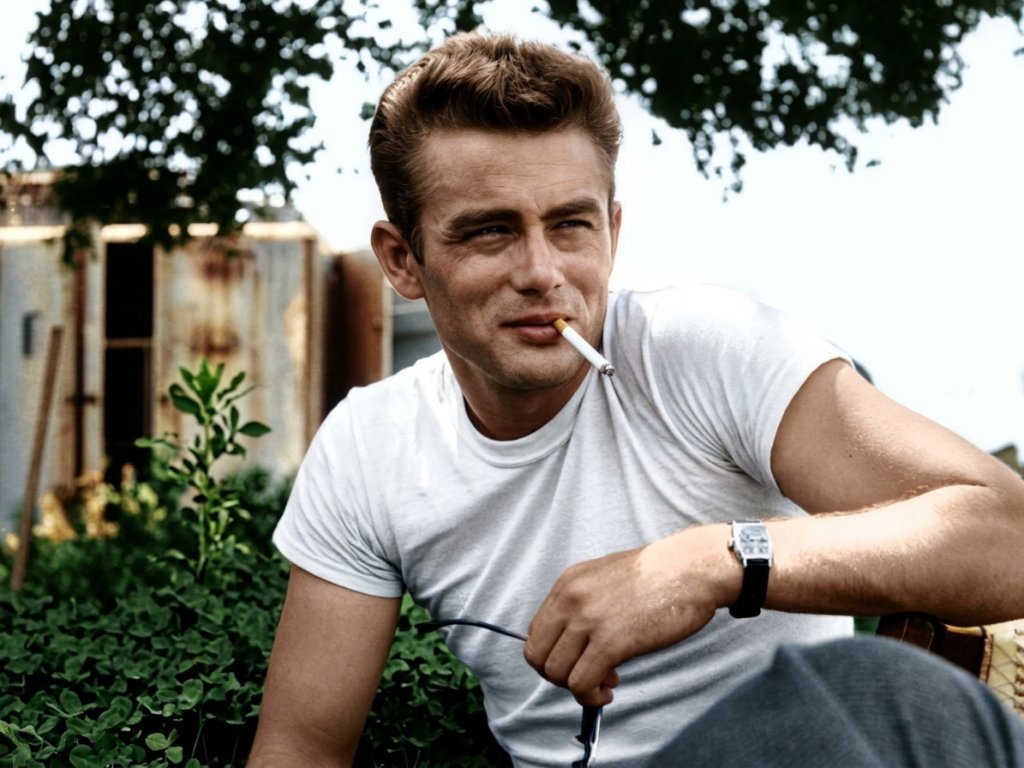
James Dean appeared in only three major feature films before his death in 1955, yet his image became a shorthand for youthful rebellion. In Rebel Without a Cause (1955), his red jacket, white T-shirt, and vulnerable performance made teenage frustration look both fashionable and deeply human. East of Eden (1955) brought him an Academy Award nomination, awarded posthumously [2]. Dean did not fit the era’s stiff model of masculine confidence; his appeal came from uncertainty, sensitivity, and restless energy. His life and relationships have attracted extensive biographical debate. Discussions of old Hollywood gay actors and the studio era are part of that broader history, but speculation should not be confused with a definitive label for Dean.
Brigitte Bardot — The French Icon Who Redefined Sex Appeal
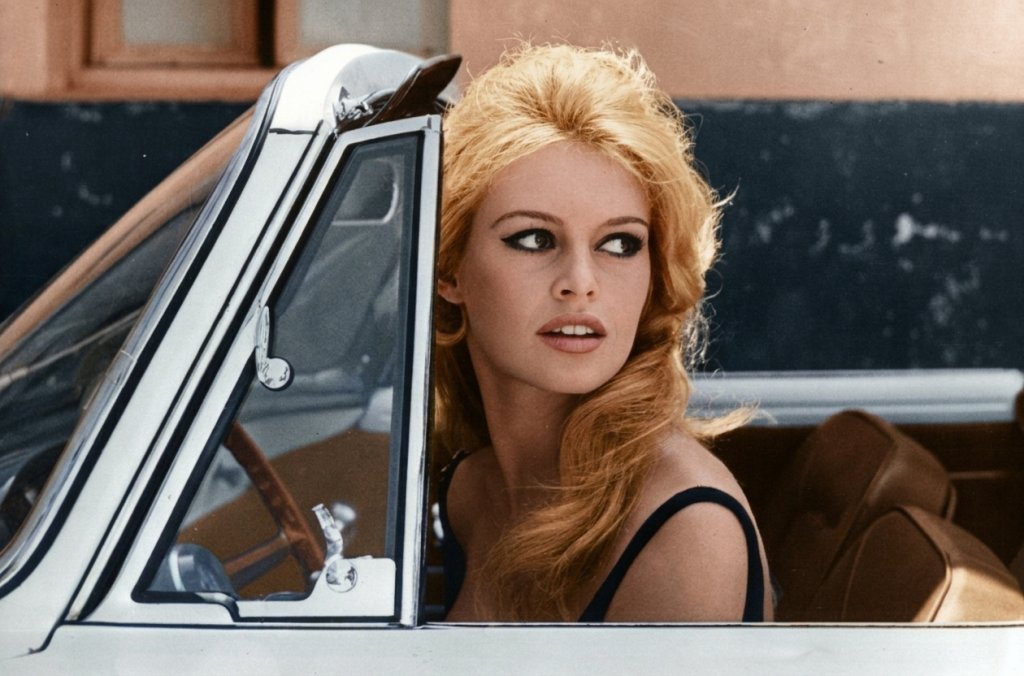
Brigitte Bardot became an international sensation with Roger Vadim’s And God Created Woman (1956) [3]. Set against the sunny backdrop of Saint-Tropez, the film presented a free-spirited heroine whose behavior unsettled conservative expectations. Bardot’s tousled hair, casual clothes, and seemingly unstudied confidence offered a striking contrast to Hollywood’s carefully sculpted glamour. Her look spread through fashion photography and helped make the French Riviera a symbol of carefree sensuality. She was also a dancer and actress whose screen presence carried the film’s provocation. Bardot’s cultural influence is undeniable, even as aspects of her later public life and statements remain controversial.
1960s — The Sexual Revolution and a New Kind of Beauty
Changing attitudes toward sexuality met daring fashion, international cinema, and a new appetite for striking screen personalities. There was no single ideal: sophisticated tailoring, curvy pin-up imagery, and distinctive European glamour all competed for attention.
Sophia Loren — The Queen of Mediterranean Glamour
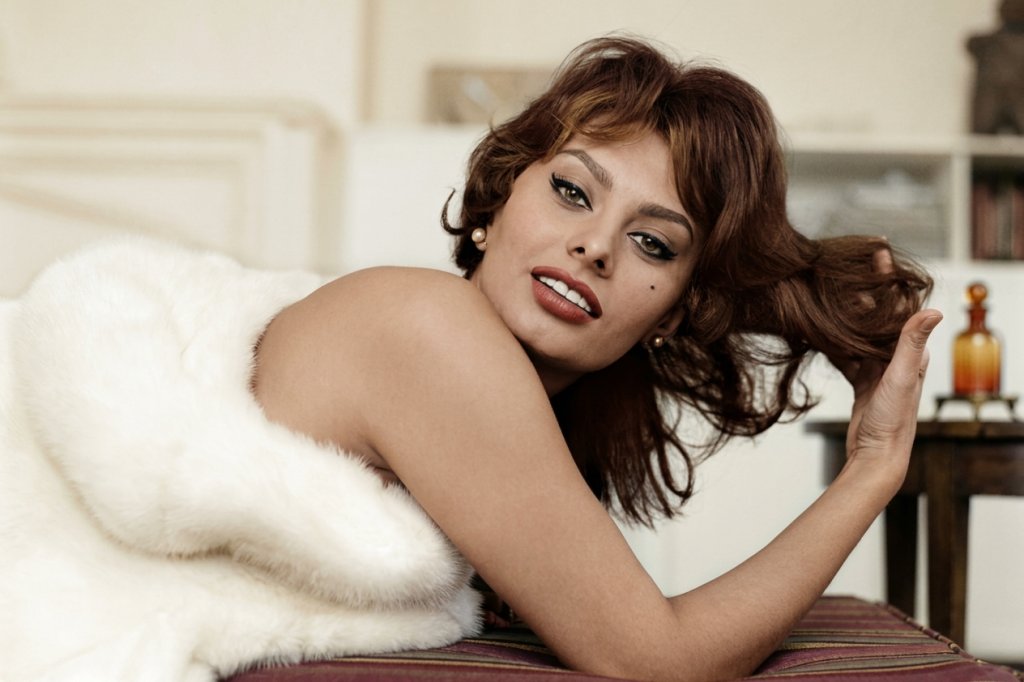
Sophia Loren brought a commanding, expressive presence to films that reached audiences far beyond Italy. Her Academy Award-winning performance in Two Women (1960) established her dramatic stature [4], while Marriage Italian Style (1964) showcased her chemistry with Marcello Mastroianni. Loren’s appeal was never simply a matter of looks: she could be witty, earthy, vulnerable, and fiercely self-possessed within the same role. Her unmistakable style offered a different image from the youth-oriented fashions emerging during the decade. As an internationally recognized Italian star, she helped make European cinema—and a more varied idea of screen glamour—part of mainstream American movie culture.
Raquel Welch — The Bikini That Made Hollywood History
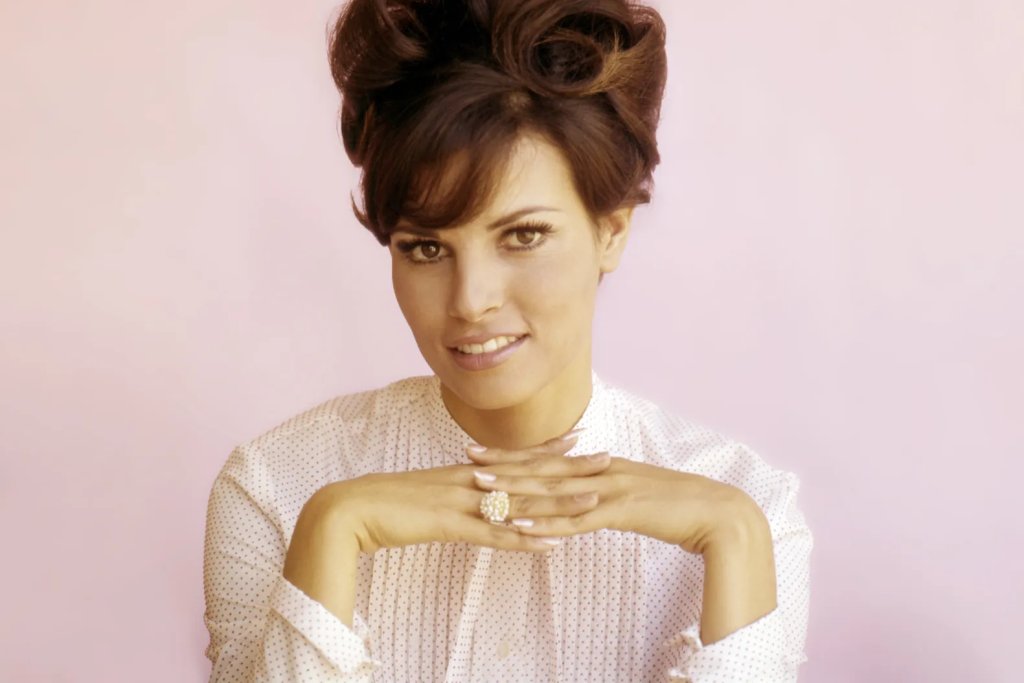
Raquel Welch’s breakthrough image came from One Million Years B.C. (1966), although her character had relatively little dialogue. The publicity photograph of Welch in a fur bikini became a widely circulated pin-up and helped turn her into an international star. The image was powerful enough to follow her for decades, sometimes obscuring her work as an actress. Welch later showed her comic range in The Three Musketeers (1973), earning a Golden Globe. Her career reveals a recurring contradiction in sex-symbol culture: a single photograph can open doors while making it harder for a performer to be recognized for anything else.
Sean Connery — The Original James Bond Heartthrob
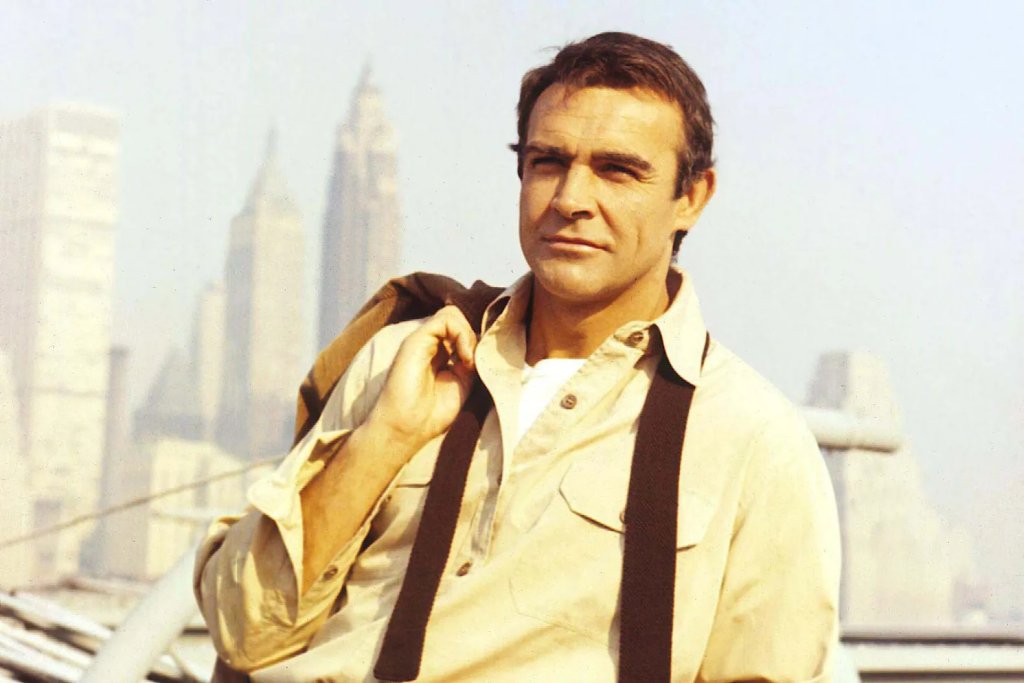
When Sean Connery first played James Bond in Dr. No (1962), he introduced a new kind of screen heartthrob: impeccably dressed, physically formidable, and a little dangerous. From Russia with Love (1963) and Goldfinger (1964) made that combination internationally familiar. Bond’s tailored suits, dry wit, and confidence helped define a fantasy of masculine sophistication, though the films’ attitudes toward women also reflect their time. Connery’s Scottish accent and unpolished edge kept the character from feeling like a conventional gentleman. His interpretation shaped the franchise for decades and remains a reference point whenever a new actor takes on the role.
1970s — Pin-Up Posters, Disco, and Sex Appeal
Posters covered bedroom walls, television created weekly crushes, and disco supplied a whole new wardrobe of seductive looks. In the 1970s, sex appeal could be relaxed and approachable, theatrical and glittering, or playfully self-aware.
Farrah Fawcett — The Poster That Defined a Generation
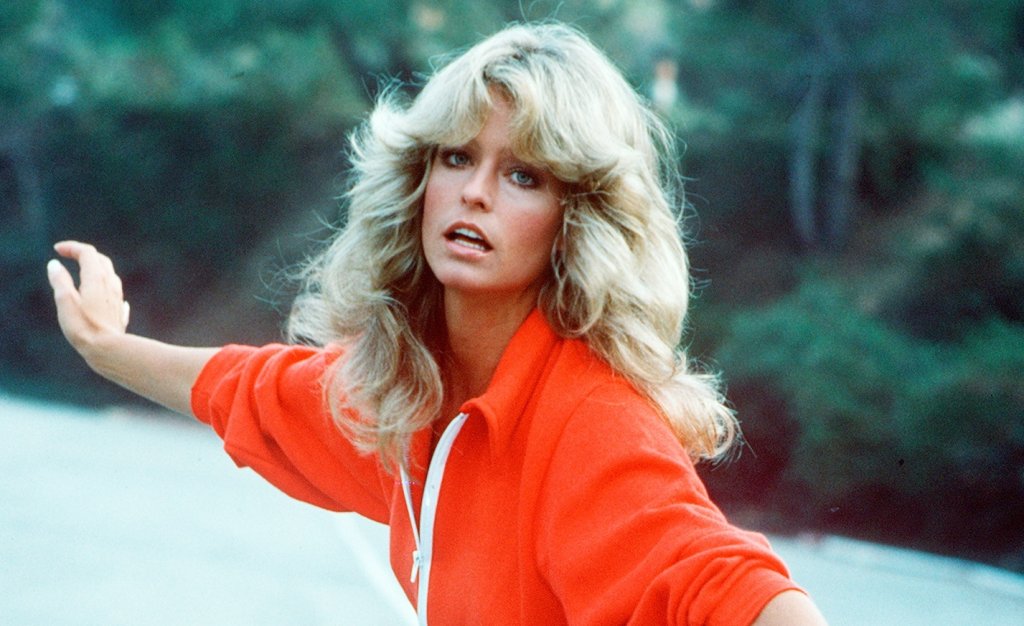
Farrah Fawcett’s 1976 swimsuit poster became one of the decade’s defining pop-culture images [5]. Wearing a red one-piece swimsuit, she smiled directly at the camera with the feathered hairstyle that fans soon copied. According to the Smithsonian, the poster eventually sold more than 12 million copies [5]. Fawcett did her own hair and makeup for the shoot, chose the final photograph, and owned its copyright—unusual control over an image marketed so widely. Her role as Jill Munroe in Charlie’s Angels made her a television sensation the same year. Later dramatic performances, including The Burning Bed (1984), demonstrated ambitions beyond her pin-up fame.
Burt Reynolds — Hollywood’s Mustachioed Heartthrob
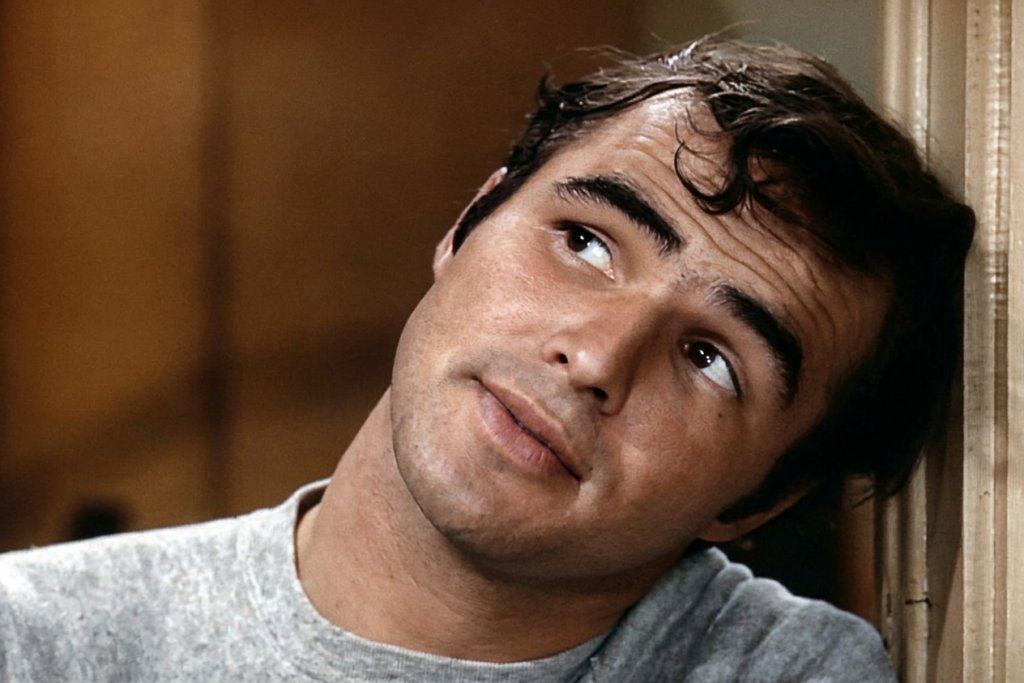
Burt Reynolds approached sex-symbol status with a grin. His 1972 Cosmopolitan centerfold, photographed with the actor reclining nude on a bearskin rug, turned the usual pin-up formula on its head and became a conversation piece. Onscreen, Reynolds combined an athletic build and trademark mustache with easygoing humor. Smokey and the Bandit (1977) made his mischievous, fast-driving persona a box-office attraction. Unlike stars who cultivated mystery, Reynolds often joked about his appearance and celebrity. That self-deprecation was part of the appeal: he could look like an action hero while inviting audiences not to take the performance too seriously.
John Travolta — The King of Disco-Era Sex Appeal
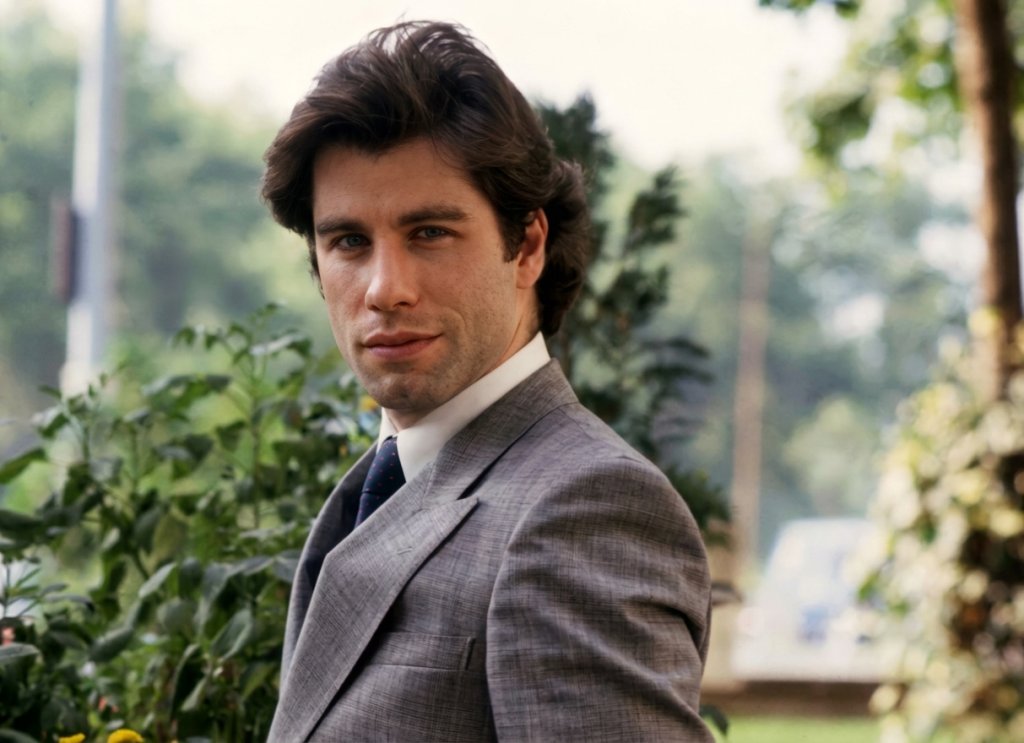
John Travolta gave disco a movie-star face in Saturday Night Fever (1977). As Tony Manero, he transformed a white three-piece suit and a Brooklyn dance floor into instantly recognizable symbols of the era. His dancing communicated swagger, ambition, and insecurity without a speech. A year later, Grease (1978) showed another side of his appeal: the leather-jacketed Danny Zuko, whose tough-guy pose melts into musical-comedy charm. Travolta’s success connected pop music, fashion, and film in a way few stars had managed. His characters also suggested that male attractiveness could involve movement, style, and emotional vulnerability—not just a square jaw.
1980s — MTV, Bold Fashion, and Hollywood Bombshells
MTV turned music videos into style events, while blockbuster films made sunglasses, jackets, and dramatic close-ups part of celebrity mythology. Sex symbols increasingly built their identities across music, advertising, magazines, and movies.
Madonna — The Queen of Sexual Reinvention
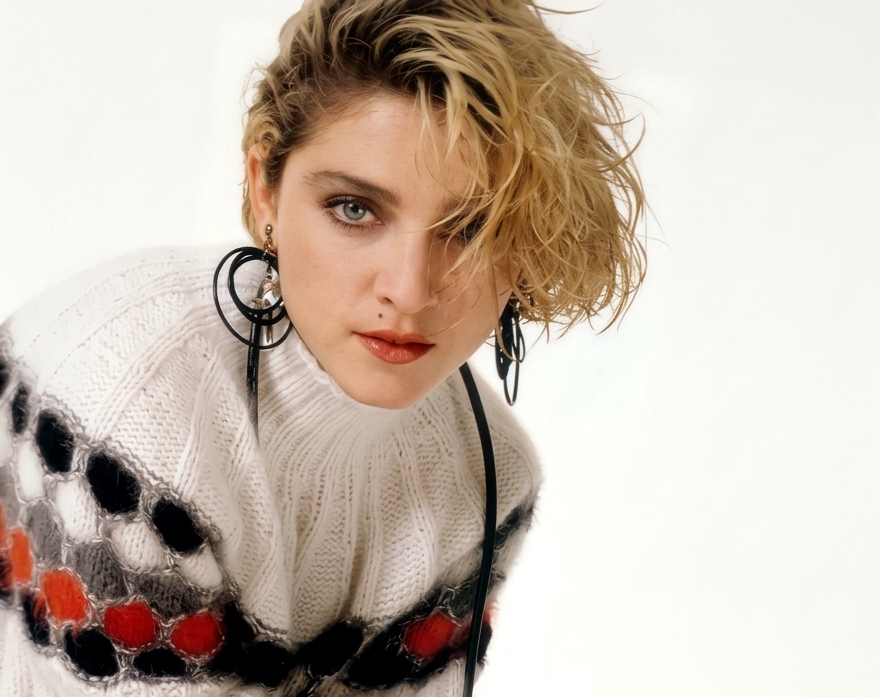
Madonna treated her image as a creative project from the beginning. The lace gloves, layered jewelry, and provocative styling of her early videos became recognizable almost as quickly as her songs. Like a Virgin (1984) and Material Girl (1985) played with competing ideas of innocence, wealth, romance, and control. Rather than wait for a studio to define her, Madonna repeatedly changed her look and challenged expectations about women expressing desire in public. Her performances also helped make debates about censorship, sexuality, and pop stardom mainstream entertainment news. Today’s fascination with celebrity nip slips and wardrobe controversies belongs to a much larger media culture that her boundary-pushing helped anticipate.
Kim Basinger — Hollywood’s Sultry Leading Lady

Kim Basinger moved from modeling into film and became one of the decade’s most recognizable glamorous leading ladies. She appeared opposite Sean Connery in Never Say Never Again (1983), but 9½ Weeks (1986) gave her a more provocative screen identity. The erotic drama, co-starring Mickey Rourke, attracted attention for its sensual imagery and complicated power dynamics. Basinger’s appeal came from the contrast between her polished appearance and the uncertainty she could convey on camera. She later played Vicki Vale in Batman (1989), reaching a huge blockbuster audience. Her career shows how an actress could move between erotic drama and mainstream Hollywood spectacle.
Tom Cruise — The Top Gun Heartthrob
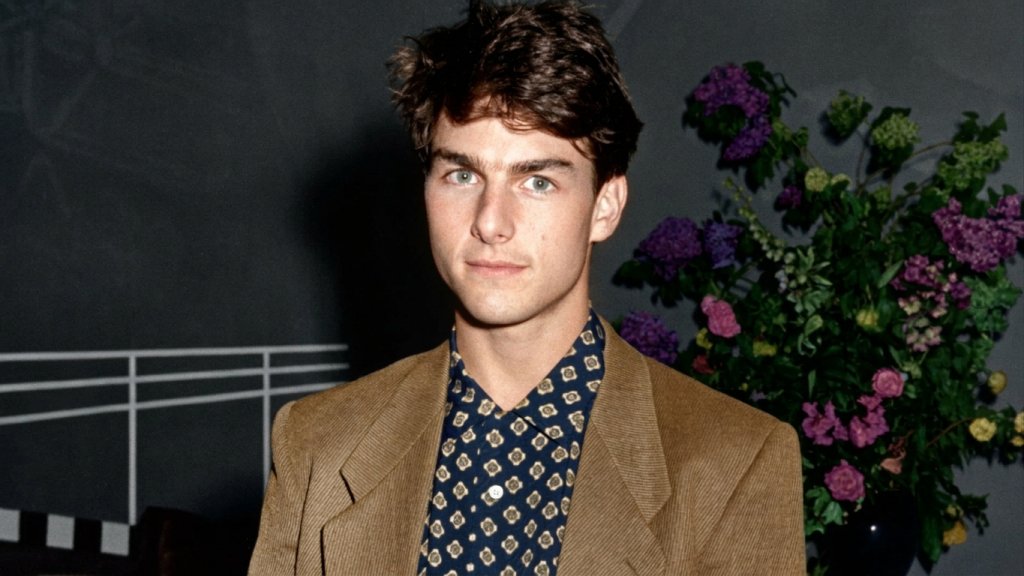
Tom Cruise’s career accelerated with Risky Business (1983), but Top Gun (1986) [6] made him a defining heartthrob of the decade. As Navy pilot Pete “Maverick” Mitchell, he paired cocky confidence with flashes of insecurity. The aviator sunglasses, flight jacket, motorcycle, and beach-volleyball sequence became part of the film’s visual legacy. Cruise’s energetic performance helped sell the character as much as the spectacular aircraft footage did. He followed with major dramatic roles in The Color of Money (1986) and Rain Man (1988), showing that his appeal was not confined to a single action-movie persona. The Maverick image nevertheless remains central to his celebrity.
1990s — Supermodels, Baywatch, and Hollywood Heartthrobs
Supermodels became celebrities in their own right, while internationally syndicated television and glossy magazines circulated a shared visual language of sex appeal. The decade made familiar faces feel globally omnipresent.
Pamela Anderson — The Baywatch Bombshell

Pamela Anderson became an international television icon as C.J. Parker on Baywatch, which she joined in 1992. The red swimsuit and slow-motion beach-running sequences were instantly recognizable, making her image part of the show’s worldwide success. Her blonde hair and curvy silhouette were widely discussed in the media, including the sort of pop-culture coverage now collected under biggest boobs on TV. But Anderson’s story is more complicated than a single costume: intense tabloid attention often overshadowed her work and personal agency. She later used her fame for animal-rights advocacy and has spoken openly about reclaiming control of her public narrative.
Cindy Crawford — The Supermodel Who Ruled the Decade

Cindy Crawford helped turn the 1990s supermodel into a household name. Her signature beauty mark, athletic look, and confident runway presence were familiar from fashion campaigns and magazine covers. A 1992 Pepsi commercial placed her at the center of mainstream advertising, making a fashion-world star recognizable even to people who never followed runway shows. Crawford also hosted MTV’s House of Style, connecting designers, models, and popular music for young viewers. Her appeal came from versatility: she could look glamorous in a luxury campaign and approachable in a television interview. That crossover helped establish the supermodel as a powerful celebrity brand.
Brad Pitt — Hollywood’s Golden Boy

Brad Pitt’s brief appearance as a charming hitchhiker in Thelma & Louise (1991) made an outsized impression. Soon, A River Runs Through It (1992), Legends of the Fall (1994), and Interview with the Vampire (1994) helped establish him as a major leading man. Pitt’s blond hair and relaxed style made him a fixture of entertainment magazines, but his choices were often less predictable than his pin-up image suggested. Seven (1995) and Fight Club (1999) brought darker material and more complicated characters. His 1990s appeal lay partly in that contrast: an accessible movie-star look attached to performances that could be intense, strange, or unsettling.
2000s — Tabloid Queens and Global Sex Symbols
Celebrity magazines, paparazzi photographs, entertainment websites, and global advertising campaigns made the 2000s a decade of near-constant exposure. Movie stars and athletes alike became brands whose looks and relationships could make headlines.
Angelina Jolie — Hollywood’s Dangerous Beauty

Angelina Jolie entered the 2000s with an Oscar for Girl, Interrupted (1999) and soon became an action star in Lara Croft: Tomb Raider (2001). Her tattoos, bold red-carpet style, and confident screen presence offered a sharper alternative to conventional Hollywood glamour. Mr. & Mrs. Smith (2005) turned her chemistry with Brad Pitt into an entertainment-news obsession. Yet Jolie also developed a substantial humanitarian profile, working with the United Nations refugee agency and later advocating for displaced people and human rights. Her fame illustrates how a sex symbol can be discussed simultaneously as an actor, a tabloid subject, and a public figure with interests far beyond appearance.
Megan Fox — The Bombshell Who Defined the 2000s

Megan Fox became one of the late 2000s’ most discussed screen beauties after Transformers (2007). Her character Mikaela Banes, particularly the much-replayed car-repair scene, became central to the film’s promotional imagery. Entertainment magazines and online fan culture focused heavily on Fox’s appearance, often at the expense of her acting. That attention placed her in the same celebrity-gallery ecosystem as features on the best celebrity boobs, but it also exposed how narrowly actresses could be marketed. Fox later criticized aspects of her treatment by the industry. Her story is therefore not just about sudden fame; it also reveals the costs of being reduced to a highly sexualized image.
David Beckham — The Athlete Who Became a Sex Symbol

David Beckham was already a soccer superstar when he became an international fashion fixture in the 2000s. His move from Manchester United to Real Madrid in 2003 drew attention well beyond sports pages, while his hairstyles, tattoos, and sharply tailored outfits were closely followed by celebrity media. His marriage to Victoria Beckham made the couple a regular presence in fashion and entertainment coverage. Beckham also appeared in major advertising campaigns, showing how a male athlete could market personal style as successfully as sporting skill. He helped popularize a more fashion-conscious image of masculinity, proving that a global sex symbol did not need a Hollywood film career.
2010s — Social Media, Superheroes, and Modern Sex Appeal
Instagram gave celebrities a direct channel to audiences, while fashion and beauty businesses made personal style commercially powerful. At the movies, superhero franchises turned physically demanding roles into global star-making vehicles.
Rihanna — The Icon of Confidence and Fearless Style
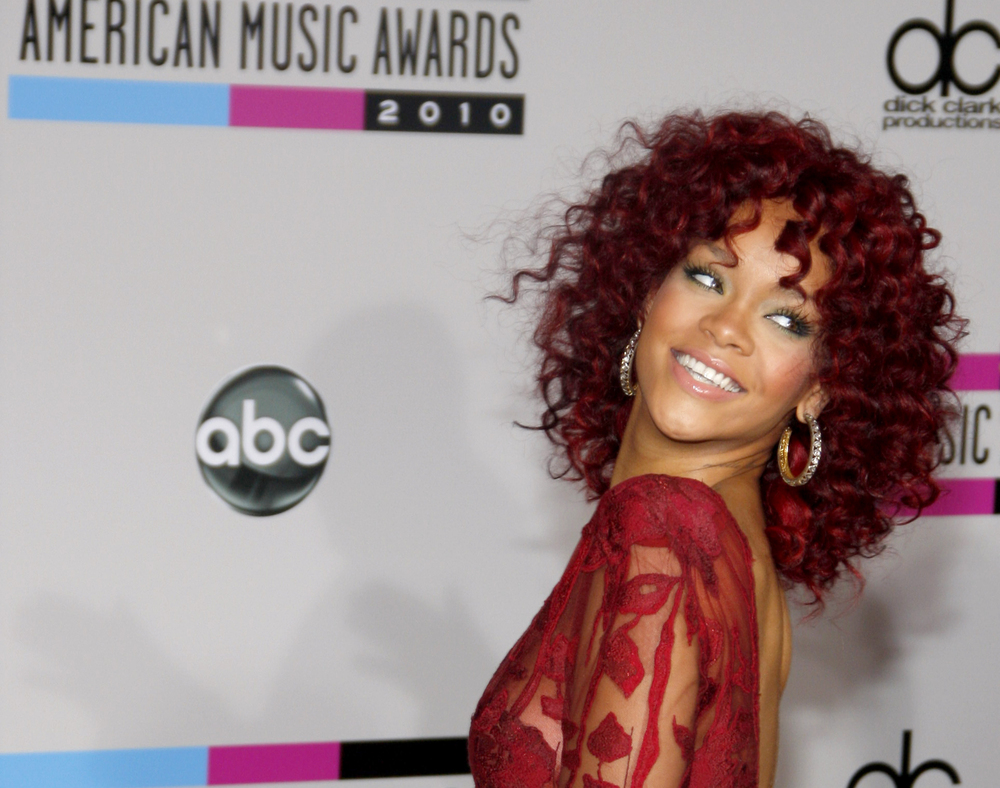
Rihanna made style inseparable from her celebrity in the 2010s. Her sheer, crystal-covered Adam Selman dress at the 2014 CFDA Fashion Awards became a defining red-carpet moment, and she received the organization’s Fashion Icon Award that year [7]. She also moved beyond music with Fenty Beauty, launched in 2017, and Savage X Fenty, launched in 2018. The brands placed a visible emphasis on offering more inclusive products and representations of beauty. Rihanna’s appeal has always involved an attitude as much as a look: she can be playful, confrontational, and elegantly composed. Her influence reaches from hit records to cosmetics counters and fashion campaigns.
Kim Kardashian — The Rise of the Instagram Sex Symbol
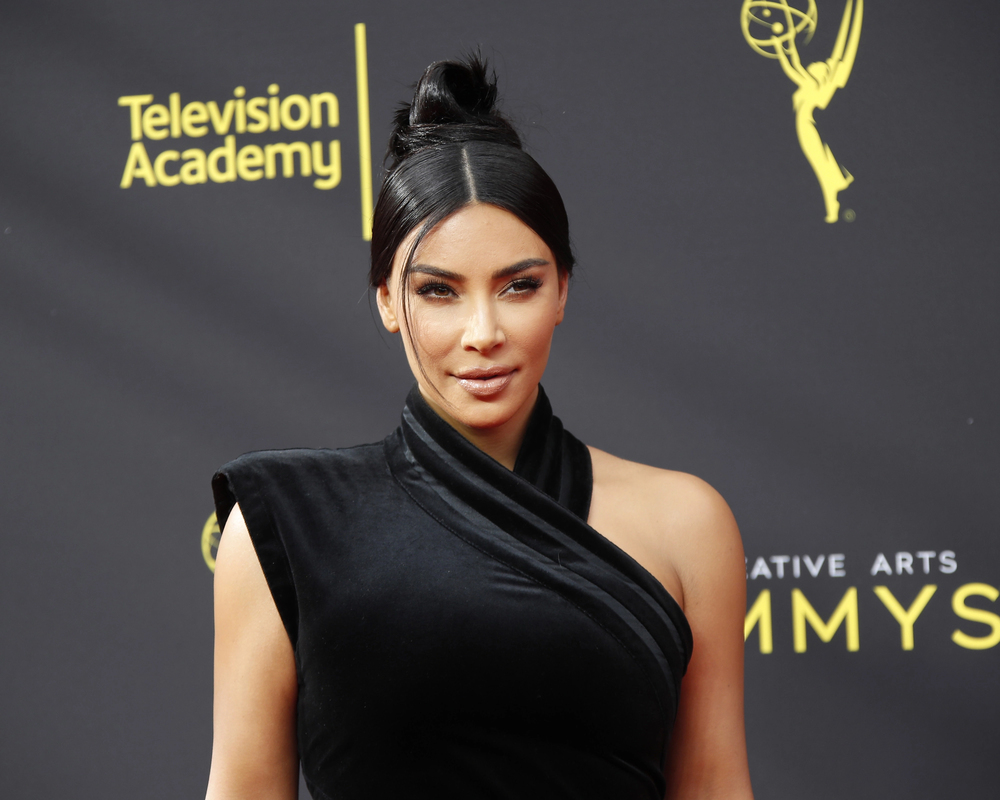
Kim Kardashian turned reality-TV fame into a carefully managed digital identity during the 2010s. Her 2014 Paper magazine cover, promoted with the phrase “Break the Internet,” demonstrated how a single photograph could dominate online conversation. Instagram allowed her to circulate her own images while building businesses in beauty and fashion. Her hourglass silhouette also became a frequent reference point in debates about cosmetic trends and body ideals. Adult-oriented coverage, including galleries devoted to the best milf boobs, reflects one part of the media attention surrounding her, but it hardly captures her broader influence. Kardashian’s career illustrates the commercial power—and scrutiny—of the self-branded celebrity.
Chris Hemsworth — The Superhero-Era Heartthrob
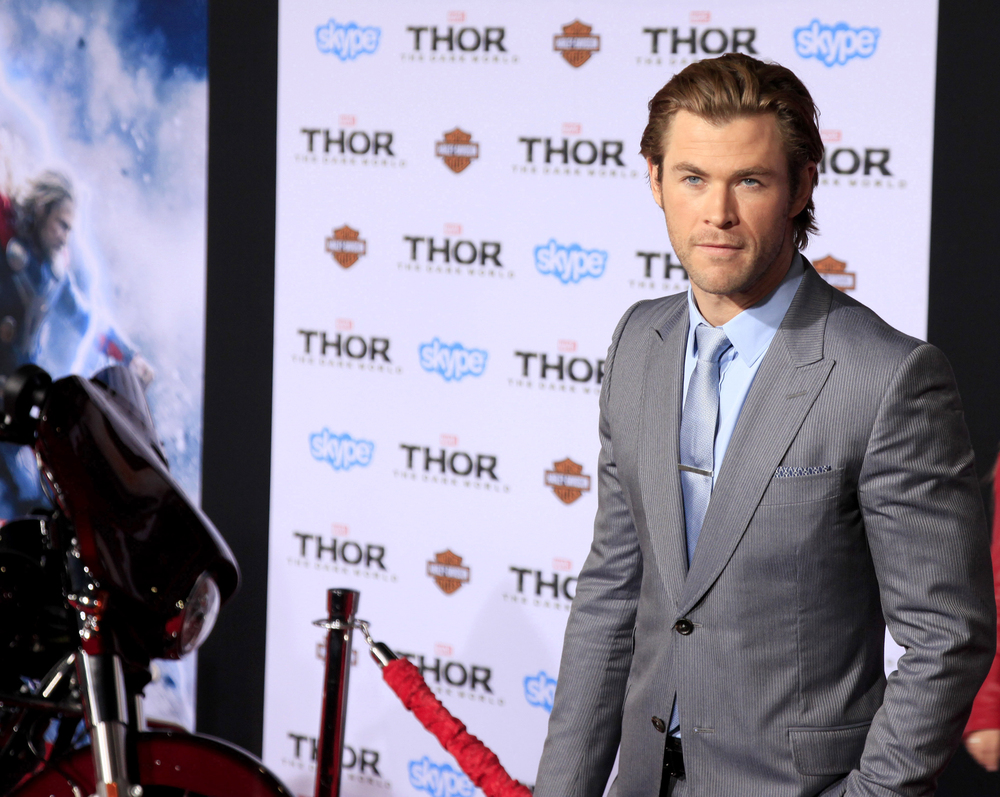
Chris Hemsworth became a global heartthrob when Marvel cast him as Thor in 2011. The role called for a muscular, mythic appearance, but Hemsworth also brought humor and a relaxed Australian charm to the character. As the Marvel Cinematic Universe expanded through The Avengers (2012) and later Thor films, his image reached an enormous international audience. He was named People’s Sexiest Man Alive in 2014, a concrete sign of his mainstream heartthrob status [9]. Yet his appeal is not limited to physique: his willingness to poke fun at Thor’s grandiosity, especially in later appearances, gave the character a more approachable personality.
2020s — The New Generation of Hollywood Sex Symbols
The 2020s are still in progress. Streaming series, TikTok edits, fashion partnerships, and social media can accelerate fame, but audiences also scrutinize how stars talk about image, identity, and creative control. There is no single dominant beauty standard.
Zendaya — The Modern Fashion and Beauty Icon
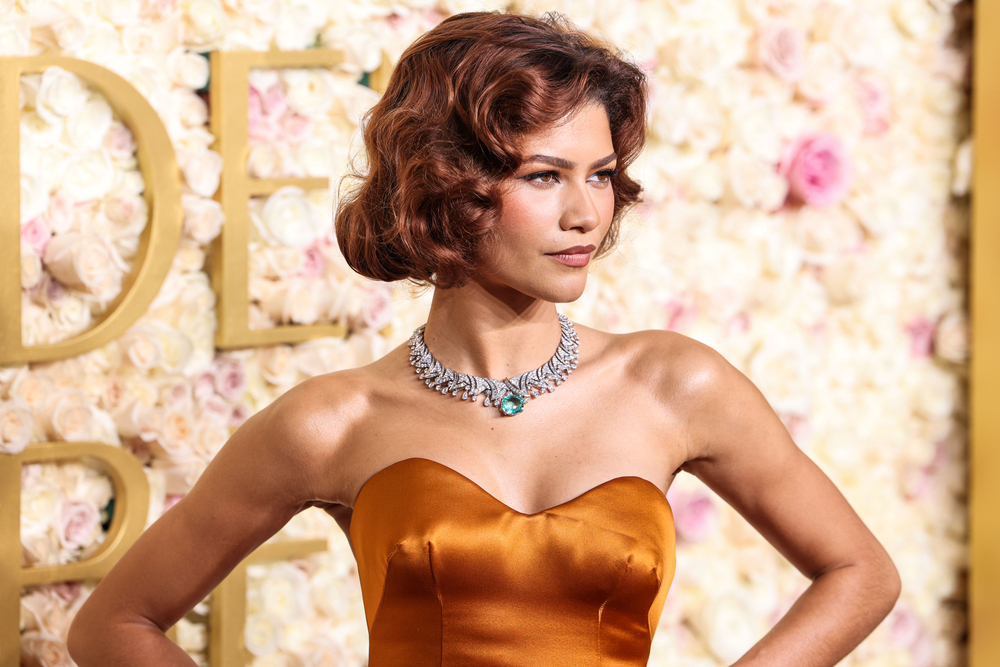
Zendaya has built an unusually flexible public image, moving between Euphoria, the Spider-Man films, and the Dune franchise. Her performance as Rue in Euphoria earned major acting recognition, while her red-carpet collaborations with stylist Law Roach became fashion events in their own right. She often uses clothing to reference the projects she is promoting, turning premieres into memorable visual storytelling. Rather than relying on a conventional bombshell persona, Zendaya’s appeal combines poise, experimentation, and control over presentation. Her success also reflects how today’s screen stars can connect prestige television, blockbuster cinema, and luxury fashion without being confined to one public identity.
Sydney Sweeney — Hollywood’s New Bombshell

Sydney Sweeney gained wide attention through Euphoria and The White Lotus, then expanded her profile with Anyone But You (2023). Her screen image can evoke classic Hollywood glamour, but her career also shows the tensions facing actresses whose appearance becomes a recurring subject of online debate. Sweeney has discussed being sexualized and has taken on producing work through her company Fifty-Fifty Films. She can play vulnerability, comedy, and ambition while navigating the constant commentary that accompanies internet-era fame. Her status as a 2020s sex symbol is therefore as much a story about public perception and agency as it is about photographs or red-carpet outfits.
Jacob Elordi — The Internet’s Favorite Heartthrob
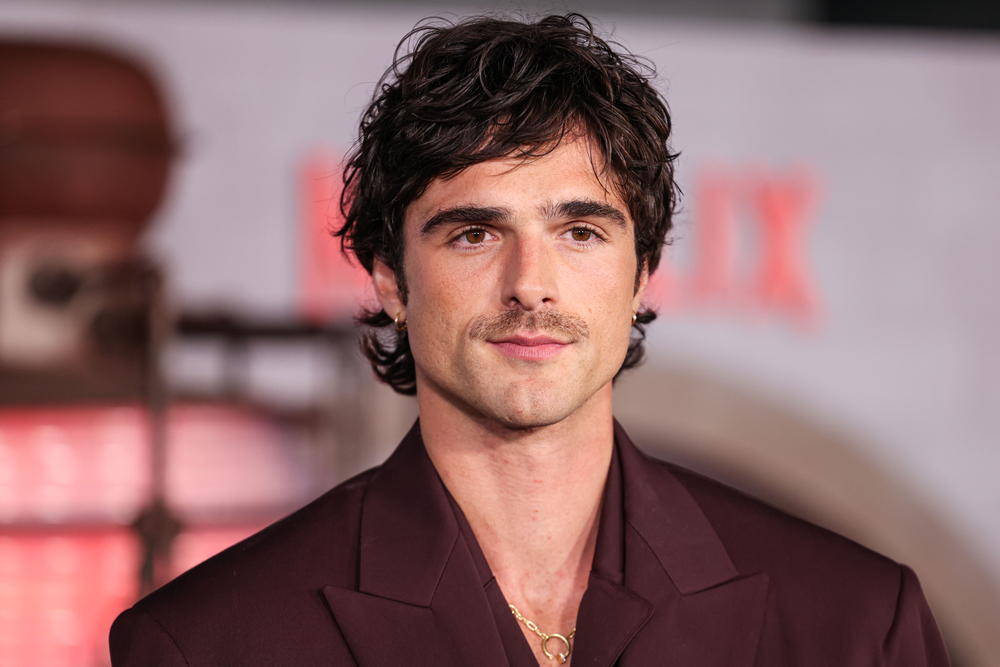
Jacob Elordi first reached a broad young audience through Netflix’s The Kissing Booth films, then gained more attention as Nate Jacobs in Euphoria. Saltburn (2023) gave him another role that sparked intense online discussion, while Priscilla (2023) showed him playing Elvis Presley in a very different register. His tall frame and understated street style have made him a fashion-magazine favorite, but his screen roles are often uncomfortable or emotionally complicated rather than straightforward romantic fantasies. Elordi’s popularity shows how a modern heartthrob can emerge from streaming, fan edits, and prestige cinema at once—and how online fascination does not always match the characters an actor chooses.
How Have Sex Symbols Changed Over the Decades?
The contrast between Marilyn Monroe and Madonna is revealing. Monroe worked within a studio-era publicity system, even as she fought for more independence; Madonna made the act of controlling and reinventing her image part of the performance. James Dean’s vulnerable rebellion challenged the polished masculinity of the 1950s, while John Travolta’s dancing and Brad Pitt’s later offbeat roles widened the range of desirable male personas. The shift was never perfectly linear: every decade still celebrated conventional beauty alongside alternatives.
Media changed just as dramatically. A single Farrah Fawcett poster could define the 1970s; MTV gave Madonna a sequence of moving images; tabloid coverage kept Angelina Jolie and David Beckham constantly visible; Instagram let Kim Kardashian communicate directly with followers. In the 2020s, Zendaya’s fashion moments and Jacob Elordi’s fan edits can circulate globally within hours. More platforms have also brought more public debate about representation, objectification, and who benefits from a celebrity’s image.
Who Is the Most Iconic Sex Symbol of All Time?
There is no objective winner. Marilyn Monroe has an unusually durable visual legacy: her white dress and blonde curls are still instantly recognizable. James Dean’s red jacket remains a shorthand for restless youth, while Madonna’s repeated reinventions influenced how pop stars use fashion and sexuality. Brad Pitt and Rihanna illustrate a different kind of staying power, building long careers beyond the images that first attracted attention. The better question may be which image continues to mean something to people who were not alive when it was created.
Interesting Facts About Famous Sex Symbols
- Marilyn Monroe: Her 1962 “Happy Birthday, Mr. President” dress sold at auction in 2016 for $4.8 million, a striking example of how a single performance outfit can become a collector’s landmark [8].
- James Dean: He received two posthumous Academy Award nominations for Best Actor—one for East of Eden and another for Giant—an unusual distinction for an actor whose film career was so brief [2].
- Sean Connery: People named Connery Sexiest Man Alive in 1989, decades after Dr. No, showing how his Bond-era appeal outlasted the 1960s [9].
- Madonna: Her 1992 photo book Sex became a publishing phenomenon; Christie’s reports worldwide sales exceeding 1.5 million copies [10].
- Cindy Crawford: Her MTV hosting job on House of Style brought the language of fashion shows and designers to a mainstream music-television audience [11].
- Chris Hemsworth: People named him Sexiest Man Alive in 2014, three years after his first appearance as Thor [9].
- David Beckham: People gave Beckham the same title in 2015—evidence that his crossover appeal continued long after the 2000s [9].
In Summary
Sex symbols are not simply the people a generation finds attractive. They are stars whose images become part of a larger conversation about fashion, fame, confidence, gender, and desire. The route from a Hollywood studio portrait to a viral social-media clip has changed enormously, and today’s celebrities often have more ways to shape their own stories. What endures is the connection between a memorable public image and the cultural moment that made it matter.
References:
- Marilyn Monroe Productions Agreement, Unsigned. Onlineonly.christies.com.
- The 28th Academy Awards | 1956. By Academy of Motion Picture Arts and Sciences. Oscars.org.
- Brigitte Bardot obituary: French star who redefined female sexuality on screen. By Ginette Vincendeau. Bfi.org.uk.
- The 34th Academy Awards | 1962. By Academy of Motion Picture Arts and Sciences. Oscars.org.
- Smithsonian Collects Objects from Farrah Fawcett’s Career. By Smithsonian Institution. Published: February 1, 2011. Americanhistory.si.edu.
- Top Gun. By Paramount Pictures. Paramount.com.
- Introducing the 2014 CFDA Fashion Icon of the Year. By The Council of Fashion Designers of America. Cfda.com.
- Ripley’s Believe It or Not! Buys Iconic Marilyn Monroe Dress at Auction for $4.8 Million. By Ripleys PR. Ripleyentertainment.com.
- The Single Sexiest Photo of Each of the Sexiest Men Alive. By Lydia Price. People.com.
- In 1992 Madonna’s SEX book made waves. Today its impact on fashion photography is undeniable. Christies.com.
- Sitting Pretty : Fashion on TV: What’s Hot. By Gaile Robinson. Latimes.com.
Head Researcher