


Head Researcher
Yes, sleep apnea can contribute to erectile dysfunction. Repeated breathing interruptions can lower oxygen levels, fragment sleep, and contribute to vascular dysfunction, while changes in testosterone levels may also play a role in some men. Each of these changes weakens the body’s ability to produce firm erections.
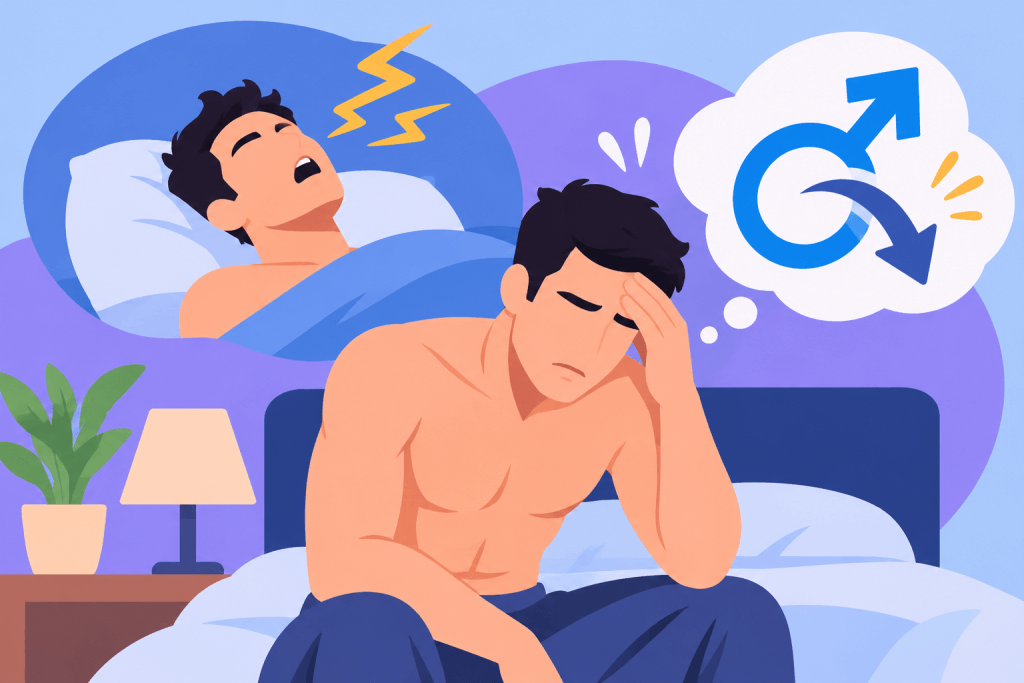
This article explores how disrupted sleep damages sexual health, what the research reveals about the connection, and which treatments offer the best chance of improvement.
Table of Contents
Can Sleep Apnea Really Cause Erectile Dysfunction?
The short answer is yes. Growing medical evidence suggests that there’s a meaningful connection between sleep apnea and erectile dysfunction (ED). Obstructive sleep apnea (OSA) is a condition where soft tissues in the throat collapse during sleep, temporarily blocking the airway. These blockages can happen dozens or even hundreds of times per night, with each episode lasting anywhere from 10 seconds to over a minute. Every pause chokes off fresh oxygen and nudges the brain into a partial awakening to restart breathing [1].
While most people associate sleep apnea with loud snoring and daytime tiredness, the damage reaches far deeper. Erections depend heavily on the cardiovascular system, nervous system, and the endocrine glands. Every time the airway collapses and breathing stops for 10 seconds or more, the oxygen deprivation and fragmented rest cause the body to send a cascade of stress signals that affect these 3 systems. Over months and years, that erosion shows up as difficulty getting or keeping an erection, reduced morning rigidity, and a fading sex drive.
It is worth noting that ED rarely stems from a single isolated cause. Factors such as age, weight, stress, medications, and health issues such as diabetes and heart disease all play roles. However, when left untreated, sleep apnea acts as a powerful amplifier, worsening vascular damage, suppressing key hormones, and draining the physical energy needed for healthy sexual activity. For men already carrying other risk factors, OSA can tip the balance from occasional difficulty into persistent dysfunction.
How Does Sleep Apnea Affect Your Erections?
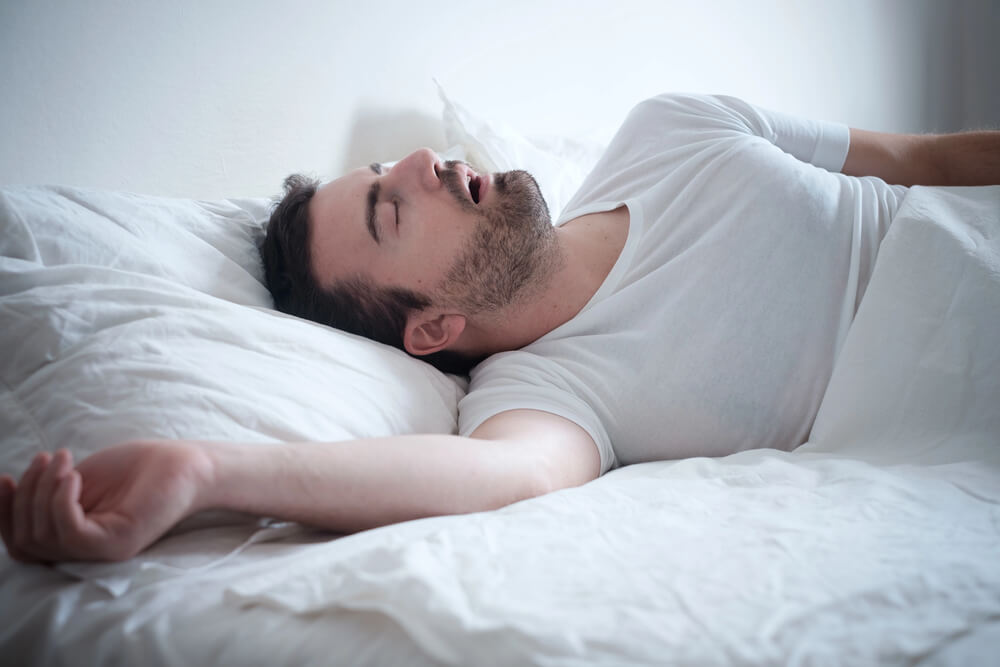
Understanding why sleep apnea and ED overlap so frequently requires a closer look at how sleep-disordered breathing disrupts certain biological pathways night after night. An erection depends on coordinated signals between the brain, nerves, hormones, and blood vessels. Sleep apnea may interfere with this process through its impact on oxygen levels, hormones, and sleep quality.
Does Low Oxygen During Sleep Affect Blood Flow?
Erections are fundamentally vascular events. When a man becomes sexually aroused, the brain sends nerve signals that trigger smooth muscle relaxation inside the penile arteries. These arteries widen, blood rushes in, and the expanding tissue compresses surrounding veins to trap blood in place. Anything that narrows arteries or stiffens vessel walls compromises this entire hydraulic process.
During obstructive sleep apnea, repeated breathing interruptions can cause temporary drops in blood oxygen saturation. The severity of these drops varies, and levels below 80% may occur in some severe cases but are not typical of every apnea episode. These events can activate the sympathetic nervous system and contribute to repeated increases in heart rate and blood pressure [2]. As this cycle repeats several times over time, it damages the delicate inner lining of arteries — a condition called endothelial dysfunction. Damaged endothelial cells produce less nitric oxide, the molecule directly responsible for relaxing penile smooth muscle and allowing blood to flow in during arousal. Without adequate nitric oxide, achieving a full erection becomes physically difficult regardless of desire or stimulation.
Can Sleep Apnea Lower Testosterone Levels?
Testosterone plays an important role in sexual desire and contributes to normal erectile function. Its levels follow a daily rhythm and typically rise during sleep, with sleep duration and continuity influencing this pattern. Because obstructive sleep apnea repeatedly disrupts sleep, it may be associated with altered testosterone levels, although obesity, age, and other health factors also influence this relationship.
Some studies have found lower testosterone levels in men with obstructive sleep apnea, although the association is influenced by factors such as obesity and age [3]. When testosterone levels are genuinely low, this may affect more than erectile function. It also reduces overall libido, saps physical energy, contributes to mood changes, and can shrink muscle mass over time; all factors that worsen sexual difficulties.
How Does Poor Sleep Affect Sexual Function?
Untreated obstructive sleep apnea can repeatedly interrupt sleep and reduce its restorative quality, including by disrupting deep sleep and REM sleep. People with untreated OSA may wake up feeling drained, irritable, and mentally foggy even after spending enough hours in bed. The fatigue may reduce interest in sex and make physical arousal harder to initiate and sustain.
Sleep deprivation also elevates sympathetic nervous system activity – the body’s “fight or flight” wiring. An overactive sympathetic system keeps blood vessels constricted and diverts blood flow away from non-essential functions, including sexual response. In practical terms, a chronically exhausted man may feel physically unable to become aroused even when he has the psychological desire.
How Common Is Erectile Dysfunction in Men with Sleep Apnea?
ED appears relatively common among men diagnosed with obstructive sleep apnea, although the estimates differ substantially from study to study.
The connection between sleep apnea and ED has attracted growing research interest because both conditions can affect quality of life and may share underlying health risks. Still, it’s important to interpret the data carefully, as the results from specialist clinics may not represent every man living with sleep apnea.
What Does the Research Actually Show?
Research consistently shows an association between obstructive sleep apnea and erectile dysfunction, although estimates vary across studies. Meta-analyses have reported substantially higher odds of ED among men with OSA, with the strength of the association depending on the populations studied and the factors included in the analysis. These findings support a relationship between the conditions but do not establish that sleep apnea directly causes every case of ED [4][5].
The link between sleep apnea and erectile dysfunction (ED) is now acknowledged by major medical organizations like the American Academy of Sleep Medicine and others. In clinics, studies often find that 60% to 70% of men with sleep apnea also have some level of ED. One study found ED in 69% of men with confirmed sleep apnea, compared with only 34% of men without it [6]. The worse the sleep apnea is (more breathing pauses per hour), the more likely ED becomes. A large study in Taiwan also found that men with sleep apnea were about twice as likely to develop new ED, even after accounting for age and other health problems.
Doctors in sleep medicine and urology know this connection well. Men who go to the doctor for ED and also snore loudly or stop breathing at night often turn out to have untreated sleep apnea. In one clinic study, about 65% of men seeking help for ED also had signs of sleep apnea.
Can Sleep Apnea Affect Morning Erections?
Yes, it may. Many men experience 3-5 erections during rapid eye movement (REM) sleep, a stage associated with dreaming and normal changes in brain activity. These sleep-related erections can continue for several hours across the night, and one may still be present when a man wakes up. These nocturnal erections serve as a useful diagnostic clue because they occur without psychological arousal. Their presence can provide useful information during an ED assessment, but it does not by itself rule out vascular, neurological, hormonal, or psychological contributors to erectile difficulties.
Because sleep apnea can fragment sleep and interfere with normal sleep patterns, it may affect the frequency or quality of these erections. Men with untreated OSA frequently notice that morning erections become weaker or disappear entirely. This change is often the first physical clue that something vascular or neurological is off, and it sometimes precedes complaints about performance during sexual activity.
What Are the Signs That Sleep Apnea May Be Contributing to ED?

ED can be caused by any number of factors. However, there are certain signs that may suggest that sleep apnea is contributing to the problem. Some of the major ones include snoring, breathing pauses, and daytime fatigue. Let’s take a closer look.
Snoring, Breathing Pauses, and Daytime Fatigue
The common signs of OSA include:
- loud, frequent snoring;
- pauses in breathing noticed by a partner;
- gasping, choking, or snorting during sleep;
- waking repeatedly throughout the night;
- daytime sleepiness, tiredness, or difficulty concentrating;
- waking with a dry mouth or headache.
Some people do not realize their breathing is interrupted because the episodes occur while they are asleep. In fact, many men often dismiss the symptoms as minor annoyances or signs of normal aging. However, while their occurrence alone does not confirm OSA, when they appear alongside declining erectile function, the combination strongly suggests that the disrupted breathing may be an underlying driver rather than a coincidence.
Reduced Sex Drive and Difficulty Maintaining Erections
In addition to snoring and fatigue, men who experience erectile dysfunction (ED) due to sleep apnea often notice a gradual decline in their sexual health. Their interest in sex may diminish over time, partly because of hormonal changes and partly due to ongoing tiredness.
In some cases, erections may start strong but lose firmness either before or during intercourse. Additionally, men may experience a decrease in the intensity of their orgasms. These symptoms may develop gradually, but their course varies, and the pattern alone cannot reliably distinguish sleep apnea-related ED from erectile difficulties caused by stress or other health conditions.
Can CPAP Treatment Improve Erectile Dysfunction?
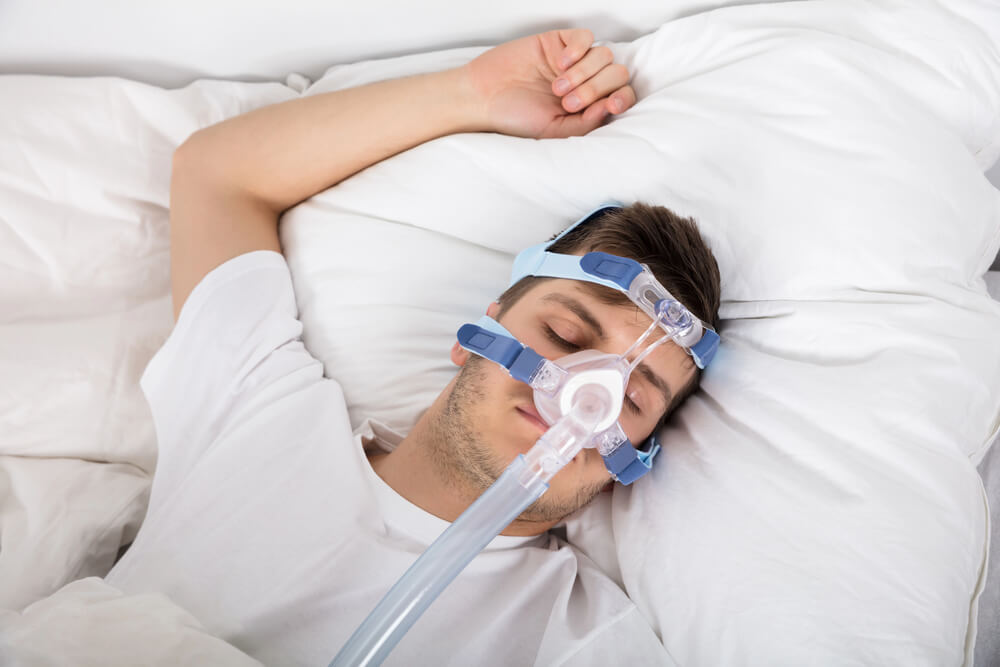
Continuous positive airway pressure (CPAP) is a common treatment for obstructive sleep apnea. The machine sends a steady flow of air through a mask while you sleep, helping keep your airway open and preventing it from closing repeatedly. This reduces pauses in breathing and drops in oxygen, while also helping you get better, more restful sleep.
Because sleep apnea can contribute to erectile dysfunction, treating it may also improve sexual function in some men. Better oxygen levels, healthier blood flow, and improved sleep may all help the body work better during sex. Studies have found that some men experience better erections after starting CPAP, although the results are not the same for everyone [7]. CPAP should therefore not be seen as a guaranteed treatment for erectile dysfunction.
In simple terms, CPAP may help improve erectile function when sleep apnea is part of the problem, but it does not necessarily cure ED on its own.
What Do Clinical Studies Say About CPAP and ED?
Research on CPAP and erectile dysfunction has produced mixed results. Some studies have found that CPAP can improve erections, sexual satisfaction, or erections that occur during sleep. Others, however, have found little or no noticeable improvement in erectile function, even when CPAP successfully improves breathing during sleep.
For example, a 2019 review of several studies found that CPAP could improve some measures of erectile function, although ED medications worked better for certain outcomes. The review also found that combining CPAP with ED medication produced better results for some measures than using CPAP alone.
A 2018 randomised trial also found that CPAP improved erections during sleep and overall sexual satisfaction, but it did not significantly improve the main erectile-function score across all participants. Men who used CPAP regularly appeared to experience wider benefits [8]. These findings show that treating sleep apnea is important for overall health, even if it does not completely solve erectile problems. If ED continues after sleep apnea is treated, a doctor may need to look for other causes and recommend a separate treatment.
How Long Might It Take to Notice Improvements?
There is no set timeline for seeing improvements in erectile function after starting CPAP. Some studies have reported changes after about three months of regular use, while others have found little improvement even after treatment.
How quickly someone notices a difference may depend on how consistently they use CPAP, how severe their sleep apnea is, and whether other factors are causing their ED. Better sleep and more daytime energy may also come before any changes in sexual function. The most important thing is to use CPAP as prescribed. If the mask feels uncomfortable or causes problems such as a dry mouth or blocked nose, a sleep specialist can help adjust the mask or settings.
Generally, erectile function may take time to improve, so treatment should not be stopped simply because improvements are taking longer than expected.
Can Viagra or Cialis Help If You Have Sleep Apnea?
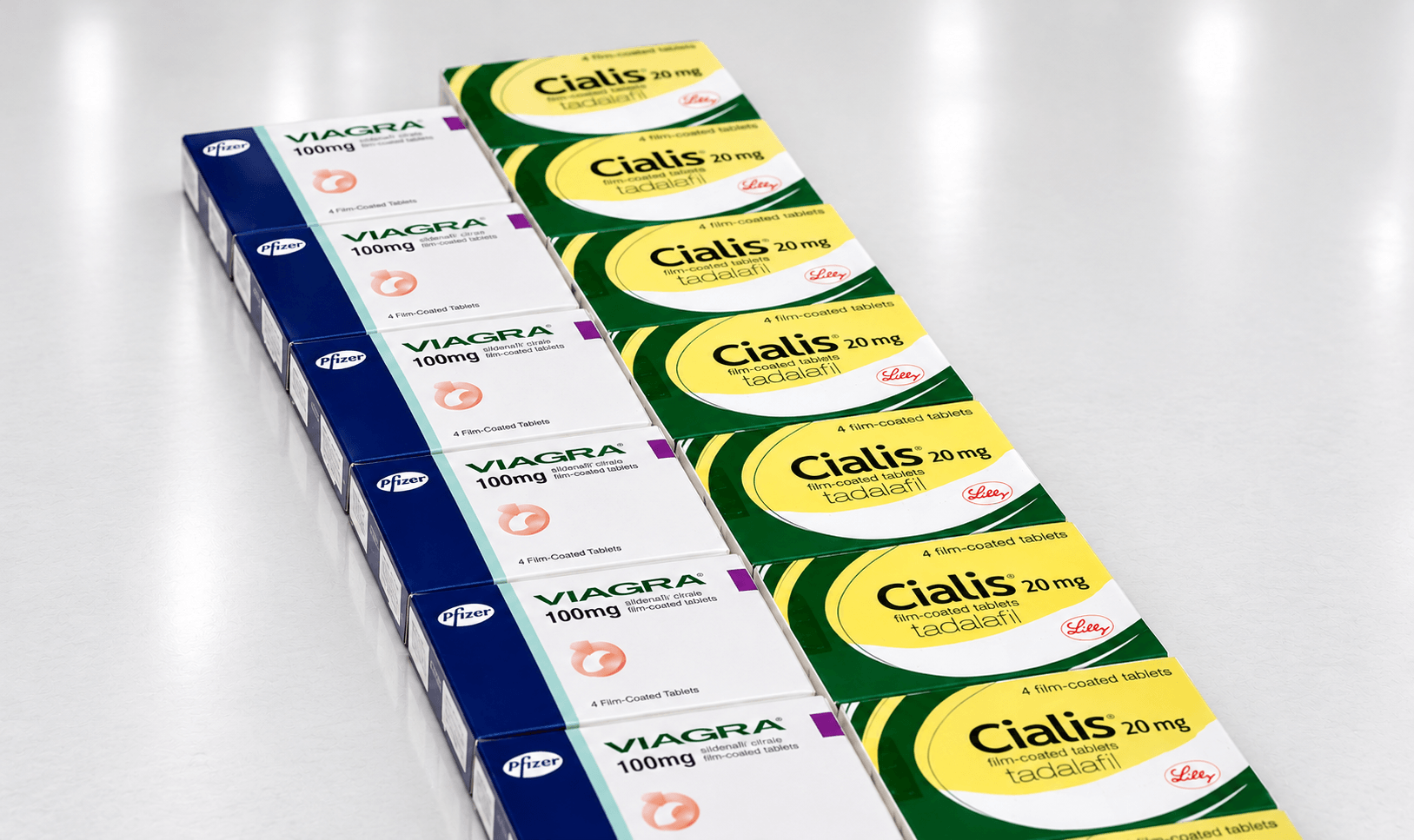
PDE5 inhibitors such as sildenafil (Viagra) and tadalafil (Cialis) can help men with ED by improving blood flow to the penis. They work by helping the blood vessels relax, making it easier for blood to enter the penis during sexual stimulation. For men with sleep apnea, these medications may provide short-term relief from erectile problems while the underlying sleep disorder is being treated.
Research has found that sildenafil can improve erectile function in some men with obstructive sleep apnea, including those who have not yet started CPAP treatment. However, these medications treat the erection problem rather than the sleep apnea itself. They do not prevent breathing interruptions during sleep or correct the low oxygen levels caused by apnea.
For this reason, PDE5 inhibitors are best viewed as part of a broader treatment plan when sleep apnea is contributing to ED. Treating the sleep apnea with CPAP, maintaining a healthy lifestyle, and addressing other risk factors may provide additional benefits. Whether looking to treat sleep apnea or ED, it’s advisable to speak with a healthcare provider, as they’re in the best position to recommend the appropriate medication, dose, and possible drug interactions.
PDE5 inhibitors should not be taken with nitrate medications, such as nitroglycerin, because the combination can cause a dangerous drop in blood pressure. Men with cardiovascular conditions should also discuss the suitability of these medicines with their healthcare provider. In addition, sildenafil has been associated with worsening some sleep-related breathing and oxygenation measures in certain studies involving men with severe untreated OSA, so treatment decisions should account for both conditions.
Can Losing Weight and Improving Sleep Help With ED?
Excess body weight is the single strongest modifiable risk factor for OSA. Fat deposits around the neck and throat narrow the airway, making collapse during sleep far more likely. For people with excess body weight, losing approximately 10% to 15% of body weight may meaningfully reduce OSA severity, although the degree of improvement varies and weight loss does not guarantee that sleep apnea will resolve completely.
Weight loss may also improve erectile function. Reduced abdominal fat lowers systemic inflammation, improves insulin sensitivity, raises circulating testosterone, and reduces arterial stiffness. These cardiovascular and hormonal improvements directly support stronger, more reliable erections.
Adopting consistent sleep hygiene habits, such as maintaining a regular bedtime, sleeping on one’s side rather than the back, avoiding alcohol and sedatives before bed, and keeping the bedroom cool and dark, further minimizes disruptions in breathing and promotes deeper rest. While these lifestyle changes require sustained effort, they address the foundational health problems that fuel both sleep apnea and erectile dysfunction simultaneously.
Should You Get Tested for Sleep Apnea if You Have Erectile Dysfunction?
Erectile dysfunction can sometimes be an early sign of an underlying vascular or metabolic problem. It makes sense to consider discussing sleep apnea testing with a healthcare professional if you have persistent ED alongside loud snoring, witnessed breathing pauses, gasping at night, or unexplained daytime sleepiness.
A clinician can review your symptoms and medical history and determine whether a sleep study is appropriate. Diagnosis for sleep apnea generally requires an overnight sleep study in a clinic or, for suitable patients, a home sleep apnea test. It is also important to investigate the ED itself. Depending on your circumstances, this may involve reviewing medications, checking blood pressure and blood glucose, and testing hormone levels when indicated.
P.S. You do not need to wait for every possible symptom to appear before seeking advice.
The Bottom Line
Sleep apnea can contribute to erectile dysfunction through disrupted sleep, repeated drops in oxygen, and possible effects on blood-vessel function and hormone regulation. However, the relationship is complex, and not every man with OSA will experience ED.
Treating sleep apnea with CPAP may improve sleep-related erections and some aspects of sexual function, but the evidence does not show that it reliably resolves erectile difficulties for everyone. If you are wondering: does sleep apnea cause erectile dysfunction, the most accurate answer is that it can be a contributing factor, not necessarily the only cause.
If you’re experiencing erectile problems alongside symptoms of sleep apnea, there’s a chance that it might actually be caused by OSA. Regardless of what the case might be, be sure to speak with a healthcare professional about evaluating both.
References:
- Obstructive Sleep Apnea. Retrieved: October 22, 2026. Hopkinsmedicine.org.
- What Is Sleep Apnea Oxygen Desaturation? A Guide. Retrieved: October 22, 2026. Encinosleepandtmj.com.
- Obstructive Sleep Apnea and Testosterone Deficiency. By Sung-Dong Kim and Kyu-Sup Cho. Retrieved: October 22, 2026. Pmc.ncbi.nlm.nih.gov.
- Sexual Dysfunction in Patients with Obstructive Sleep Apnea: A Systematic Review and Meta-Analysis. By Luhao Liu, Ran Kang, et al. Retrieved: October 22, 2026. Pubmed.ncbi.nlm.nih.gov.
- Is there a link between sleep apnoea and erectile dysfunction? By Dr. Tim Moss. Retrieved: October 22, 2026. Healthymale.org.au.
- Sleep apnea is an independent correlate of erectile and sexual dysfunction. By Stephan Budweiser, Stefan Enderlein, et al. Retrieved: October 22, 2026. Pubmed.ncbi.nlm.nih.gov.
- CPAP therapy improves erectile function in patients with severe obstructive sleep apnea. By Richard Schulz, Fabian Bischof, et al. Retrieved: October 22, 2026. Pubmed.ncbi.nlm.nih.gov.
- Randomized Trial of CPAP and Vardenafil on Erectile and Arterial Function in Men With Obstructive Sleep Apnea and Erectile Dysfunction. By Kerri L Melehan, Camilla M Hoyos, et al. Retrieved: October 22, 2026. Pmc.ncbi.nlm.nih.gov.
Head Researcher