


Head Researcher
Squirting often sparks curiosity, excitement, and confusion simultaneously. For some women, it happens unexpectedly during sex or masturbation; for others, it feels like a goal they’re unsure how to reach. Despite how often it appears in adult media, real-life squirting is rarely explained in a clear, honest, and medically grounded way. But what is squirting? Is it the same as cumming, and how common is it?
This guide explains the science behind squirting, what the released liquid contains, how it feels physically and emotionally, and whether every woman can experience it. It also separates facts from myths, explains the difference between squirting and female ejaculation, and shares realistic tips for those who want to explore it. Let’s dive in.
Table of Contents
What Is Squirting?
Most people use the term squirting to describe a bodily fluid release during sexual stimulation. In simple terms, it’s when a person with a vagina releases a clear, odorless fluid from the urethra (the tube that normally expels urine) during high arousal or orgasm. It’s much more than normal vaginal lubrication; instead of the usual wetness (which comes from Bartholin’s glands and vaginal walls), squirting fluid gushes from the bladder.
Scientifically, one study found that squirting is essentially an involuntary emission of urine from the bladder during sex, often mixed with a bit of fluid from the Skene’s glands (sometimes called the female prostate) [1]. In other words, the fluid is mostly water and urine by composition, but it does not look or smell like pee.
Many women describe squirting as a clear spray or gush of liquid released at the peak of intense arousal or orgasm, which can soak the sheets (though not everyone experiences it as a high-volume event).
What Does Squirting Feel Like?
Experiences of squirting vary widely, but many people compare it to a deep, relieving orgasmic release. Some women feel an intense “bearing down” or pressure in the pelvic area right before the fluid comes out. Others say it feels just like needing to pee, and indeed, the sensation often triggers a sudden wetness in the genital area.
In practical terms, squirting can feel like a powerful internal release during orgasm. While the sensation is frequently tied to intense G-spot or clitoral stimulation, it can occur with or without a traditional climax, often leaving the individual feeling incredibly relaxed, euphoric, or even empowered once they move past any initial anxiety regarding the sensation. It’s important to note that squirting doesn’t hurt if it’s done safely—instead, it usually feels very good or at least neutral.
In one study, 28 women were asked to describe squirting. The outcome was that their feelings ranged from considering it amazing, a superpower, and a feminist statement to an unpleasant and/or shameful event [2]. Indeed, the sensations associated with squirting also vary. Some women report a feeling that’s different from a clitoral orgasm, and others report indifference.

If a woman feels discomfort, she should pause and ensure she’s fully aroused and comfortable (sometimes a small bladder contraction technique or emptying the bladder first can help ease the sensation). As to how to stop squirting, you can practice firm Kegel squeezes when you feel the sensation approaching or try changing your physical position to reduce direct pressure on the G-spot.
Do All Women Squirt?
No, not all women squirt, and that’s perfectly normal. Everyone’s body is different, and the ability to squirt depends on anatomy, arousal, and psychological factors.
Scientific research suggests that while squirting is a real physiological phenomenon, it is not a universal experience for all women. Most studies estimate that between 10% and 54% of women have experienced some form of fluid emission in their lifetime. A 2023 nationally representative study of U.S. adult women found that approximately 40% reported having ever squirted, typically discovering the ability unintentionally in their mid-twenties [3].
The question of whether all women are biologically capable of squirting remains a subject of scientific debate. The absence of squirting does not reflect a lack of sexual health or enjoyment. While some find it enriches their sex lives, others may never experience it or may even find the sensation uncomfortable.
The main point is, squirting is not a requirement for normal sexual pleasure. If you never squirt, it doesn’t mean something is wrong. On the other hand, if you do, it’s a normal variation of female orgasmic release. The key is to let go of performance pressure and focus on feeling good and comfortable.
Squirting vs. Female Ejaculation
Squirting and female ejaculation are often confused, but scientific research shows they are two distinct physiological responses with different fluid sources, volumes, and compositions.
Female ejaculation involves the release of a small amount of thick, milky, or cloudy fluid from the Skene’s glands, also known as the female prostate. These glands are located around the urethra, near the G-spot area. This fluid contains prostate-specific antigen (PSA) and sometimes fructose, which are also found in male seminal fluid.
The volume is usually minimal—often a few drops to about a teaspoon—and it may occur with or without orgasm. Due to low volume, many women do not notice it happening.
Squirting, in contrast, is a high-volume release of clear fluid that comes primarily from the bladder and exits through the urethra. During intense sexual stimulation, the bladder rapidly fills and then empties suddenly at the moment squirting occurs. The expelled fluid came directly from the bladder. The amount released can range from several tablespoons to multiple ounces.
Chemically, squirting fluid is mostly diluted urine. However, it’s not the same as normal urination. It lacks a strong odor and color and may contain small traces of PSA, suggesting a minor contribution from the Skene’s glands. This explains why squirting can feel like a strong urge to pee just before release.
Both responses are normal, healthy variations of female sexual physiology. Some women experience one, both, or neither, and none of these outcomes reflect sexual ability, pleasure level, or orgasm quality.
Myths and Misconceptions About Squirting
Squirting has long been surrounded by confusion, shame, and exaggerated claims—largely because it is rarely discussed in honest, medically accurate ways. Much of what people think they know comes from pornography, social media, or outdated beliefs rather than real or lived experiences. The following are some of the myths and misconceptions about squirting:
- it’s just peeing during sex: Many people think squirting is involuntary urination. In reality, while the fluid in squirting comes from the bladder and is similar in composition to urine, it’s not the same as simply “peeing your pants.” The fluid is released only during intense sexual arousal or orgasmic muscle contractions [1]. So it’s real and normal, not a sign of incontinence. If a woman is worried it might be urine leakage, she can simply empty her bladder beforehand or do pelvic floor exercises;
- squirting and female ejaculation are the same thing: As explained above, these are different. Squirting fluid is clear and copious, while female ejaculate is milky, small in amount, and glandular. They can even happen together but don’t have to. Assuming squirting must be female “cum” can be confusing;
- it’s always feels amazing for every woman: Actually, reactions vary. Some women love the feeling and the thrill, while others find it strange or prefer not to have that sensation. Because squirting can be surprising (and messy!), some women feel self-conscious or unsure at first. That’s okay. Comfort and consent are key; you should only go as far as you feel good;
- every woman can squirt if stimulated correctly: This isn’t true. Some women never squirt, no matter what they try to achieve it. That’s completely normal. Squirting typically requires specific stimulation (often G-spot or deep vaginal pressure) and a very relaxed mind and body. Just because squirting is common in porn doesn’t mean it’s common in real life. Many women and couples enjoy sex fully without ever squirting;
- it happens during orgasm/means a stronger or “better” orgasm: Squirting does not measure orgasm quality. Some women squirt without orgasm, while others have intense orgasms without ever squirting. It depends on the body and timing. So no, squirting doesn’t necessarily mean “I just had an orgasm”—the fluid release is a reflex response, not a direct measure of orgasm intensity;
- squirting is unhealthy or damaging to the body: Not at all—it’s a normal bodily function. It’s a healthy release and doesn’t harm the bladder or urethra. Some even find that the muscular release feels great and can lead to stronger orgasms. The main concern might be cleanliness (it can get wet!), but with a towel or protection, that’s easily managed. If any pain or persistent incontinence occurs, consult a doctor; however, ordinary squirting isn’t dangerous and doesn’t require any urgent medical explanation.
Squirting is simply one of many ways the body can respond to pleasure—not a goal, requirement, or benchmark for sexual success.
Useful Tips On How To Squirt
If you’re curious about how to experience squirting, it’s best to view it as a fun way to get to know your body rather than a goal you “must” reach. Every person’s anatomy is a little different, so what works for one person might feel totally different for you. The key is to stay relaxed, keep an open mind, and focus on what feels good in the moment. By following a few simple steps, you can create the right environment for your body to react naturally. Here are practical tips to help you explore this experience:
Focus on Full Arousal and Foreplay
Build a strong level of arousal first. Spend plenty of time on foreplay—caressing, kissing, and clitoral stimulation—before trying to squirt. Emotional and mental connection matters here. As our guide on how to make a girl horny emphasizes, making a woman feel desired and secure can greatly boost her physical responses. Set a seductive mood (soft lighting, music, etc.) and convey a powerful affection. Many girls and women report that they feel close to squirting only after they are very aroused and relaxed, so don’t rush the buildup.
Experiment with G-Spot Stimulation
Squirting is often linked to stimulating the G-spot (an erogenous area on the upper/front wall of the vagina). To try this, insert one or two lubricated fingers or a curved dildo/vibrator a few inches in, and stroke the front vaginal wall in a come-hither motion. Apply steady, firm pressure rather than light touches. Some women need a lot of direct G-spot stimulation to trigger squirting. The pelvic floor muscles might contract as you build pressure, so you can try tightening those muscles (like doing a Kegel) and then relaxing them in rhythm to help the fluid release. The combination of firm internal pressure and deep pelvic relaxation often does the trick.
Use Sex Toys – Vibrators and Dildos
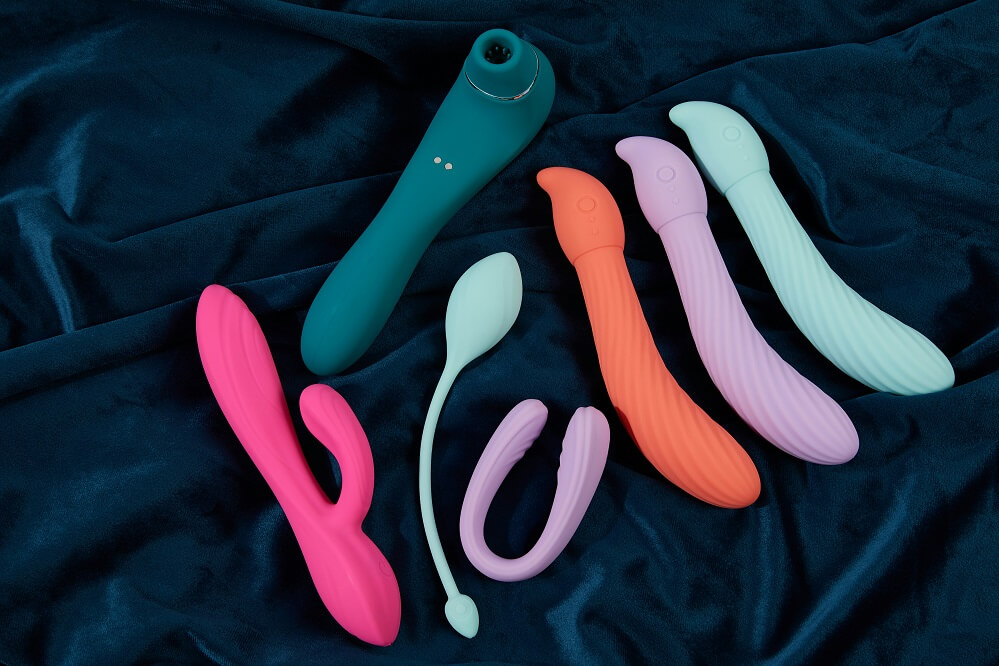
Many women find it easier to squirt with a vibrator or their best toy. A curved G-spot vibrator or dildo (often with a bulbous head) can help apply consistent pressure to the spot. Dildos for squirting provide the precise, consistent pressure against the G-spot and urethral sponge needed to trigger the release of fluid.
Something like a rabbit vibrator that also stimulates the clitoris can increase overall arousal while the G-spot is massaged. Bullet vibrators work on the clit and can be used together with a G-spot toy for “blended” stimulation. Always use a water-based lubricant for optimal sexual comfort.
In fact, more women can squirt during solo masturbation than during partner sex, largely because masturbation offers more control, direct clitoral stimulation, and a pressure-free environment, allowing for greater relaxation and focused arousal needed for squirting to occur. So practice on yourself first to learn what feels right. Partnered sex often lacks the precise, sustained stimulation needed, though squirting can happen with specific techniques, like clitoral stimulation during intercourse.
Once comfortable, you can introduce these toys during partnered intimacy. Take note of what angle and pressure your body responds to best, and don’t hesitate to try different shapes or settings on your vibrator.
Try Deep Penetration Positions
Certain sexual positions make G-spot stimulation easier. For instance, doggy style (rear entry) or being on top (cowgirl) allows for deeper penetration and a better angle against the front vaginal wall. You might also try reverse cowgirl or the partner penetrating from behind while the woman is on her hands and knees.
These positions allow you or your partner to adjust the angle and depth without difficulty. If you’re using a toy or fingers, lying on your back with knees bent and hips tilted up (sometimes with a pillow under the hips) can also help the toy naturally press against the G-spot. The goal is to find a comfortable position where you can add pressure upward. As you play, communicate, or feel your body, if you start to feel the urge to squirt, maintain steady stimulation where you feel it.
Stay Relaxed and Comfortable
Anxiety or tension can block squirting. Try to stay relaxed and enjoy the sensations it induces. If it’s your first time attempting this, remember it’s a process. Tensing up at the first sensation can make it harder. Try deep breaths and gentle pelvic floor relaxation. Some women find it helpful to empty their bladder just before, and some even keep a towel handy so they don’t worry about the mess.
If a full bladder feeling comes on, simply relax the muscles and let it pass naturally. Peeing right before sex to reduce pressure. If you feel that the “full bladder” sensation is too strong, take a break, maybe insert a finger and press gently as if trying to urinate—this can sometimes trigger the G-spot release.
Above all, go slowly: it often takes 25–60 minutes of focused stimulation for some women to squirt, so be patient and give your body time to respond.
Combine Clitoral Stimulation
Squirting often feels like an orgasmic release, so combining clitoral stimulation can intensify the experience. Use one hand or a small vibrator on the clitoris while the other stimulates the G-spot internally. The dual stimulation can build a “blended orgasm,” which many women describe as more intense and more likely to produce squirting.
You don’t have to stimulate the clit hard—even light caresses or consistent gentle pressure can keep arousal high. Some women report that paying extra attention to other erogenous zones (breasts, neck, inner thighs) also helps their body to let go.
Hydrate and Prepare Physically
Drink plenty of water several hours before. A well-hydrated body tends to produce more fluid, which can enhance the squirting process. Also consider having a bowel movement beforehand if needed, because a full rectum can sometimes make it harder to relax the area. If you’re using toys, make sure they are clean and charged. Setting a comfortable scene (maybe slipping into lingerie or a favorite outfit) can boost confidence and relaxation.
Experiment Alone First
If you’re nervous, try it alone. Masturbation gives you privacy to explore and learn what pressure or movement makes you feel close to squirting. Some women find it easier to learn alone. You can even lie over a towel on the bed or in the shower to catch fluid. As you practice, take note of the sensations that feel similar to a light pushing or pelvic pressure, often described as “bearing down.” Over time, you’ll become more attuned to your body’s signals.
Communicate with Your Partner (If You Have One)
Communication is key if you’re exploring squirting with a partner. Talking openly about timing can also make a difference. For many couples, morning sex can feel more relaxed and connected, as the body often wakes up naturally aroused and less distracted by daily stress. This calmer mental state can make it easier to communicate sensations, adjust pressure, and respond to subtle cues without rushing the experience.
Let your partner know if something feels good or needs adjusting. Avoid pressure and keep it playful—approach it as shared exploration rather than a “must happen” goal. Helpful techniques include having your partner gradually increase pressure as you exhale or make sounds of pleasure or encouraging simple check-ins such as “Does this feel good?” throughout. Clear feedback builds trust and helps both partners stay in sync with each other’s rhythm.

It also helps to normalize surprises. Laugh off unexpected sensations, pauses, or changes, and treat small responses—like increased wetness or stronger pelvic sensations—as positive signs rather than outcomes to chase. When communication stays open and supportive, the experience feels safer, more connected, and far more enjoyable for both partners.
Consider Bladder Control and Pelvic Floor Exercises
Finally, a strong pelvic floor can improve control and sensation. Some women use Kegel exercises (contracting and releasing pelvic muscles) to gain a better sense of those muscles. This can help you either push gently during the moment of squirting or stop the flow if you want to. If you are very focused on preventing squirting, contracting the muscles midway can curb the gush (although this may also cut the orgasm short).
However, if you’re trying to squirt, you might experiment with “bearing down” instead—a slight pushing outward as if trying to urinate (while keeping your kegel muscles loose). Over time, practicing awareness of your pelvic muscles can make ejaculating easier when you want it and make any unwanted leaks less worrisome.
In Summary
Squirting is a documented physiological response that occurs for some women during heightened sexual arousal, involving the release of clear fluid from the bladder through the urethra. It is not the same as female ejaculation, not a sign of poor bladder control, and not something every woman will experience. As explored in this guide, squirting often comes with a strong internal pressure or “need-to-pee” sensation, and it is most likely to happen with deep relaxation, consistent G-spot stimulation, and sustained arousal.
Techniques, positions, toys, and communication can influence whether it occurs, but it should never be treated as a goal or requirement. Squirting is simply one possible expression of pleasure—healthy, harmless, and optional. Understanding it removes confusion and allows sex to feel more informed, confident, and enjoyable.
References:
- Nature and origin of “squirting” in female sexuality. By Samuel Salama, Florence Boitrelle, Amélie Gauquelin, et al. Published: March 2015. Pubmed.ncbi.nlm.nih.gov.
- A sexual superpower or a shame? Women’s diverging experiences of squirting/female ejaculation in Sweden. By Jessica Påfs. Published: September 2, 2021. Journals.sagepub.com.
- Vaginal Squirting: Experiences, Discoveries, and Strategies in a U.S. Probability Sample of Women Ages 18-93. By Devon J. Hensel, Christiana D. von Hippel, Charles C. Lapage, and Robert H. Perkins. Published: May 2024. Pubmed.ncbi.nlm.nih.gov.
Head Researcher