


Head Researcher
Erectile dysfunction (ED) is a common male sexual health concern that becomes more prevalent with age. Because erections depend on healthy blood vessels, nerves, hormones, and muscles, changes in erectile function may sometimes indicate an underlying health issue rather than simply being a normal part of aging.
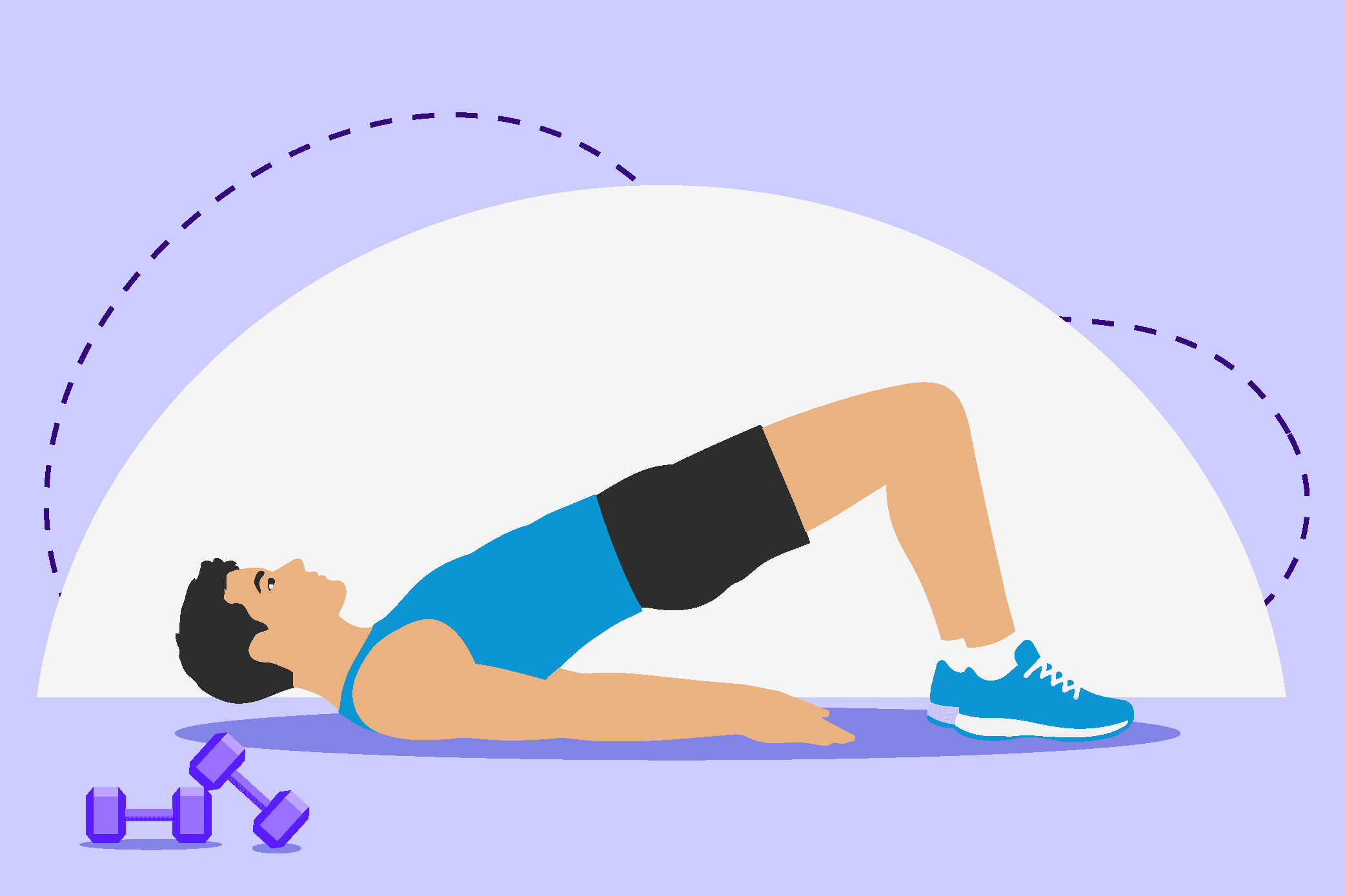
Pelvic floor dysfunction may also play a role in some cases of ED. Both weak and overly tight pelvic floor muscles can affect normal pelvic function. This guide explains how the pelvic floor supports erections, how to identify and exercise these muscles correctly, and when pelvic floor training may be helpful.
Table of Contents
What Are Pelvic Floor Muscles?
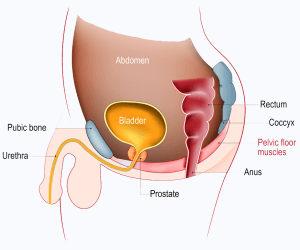 The pelvic floor is a hammock-shaped group of muscles, ligaments, fascia, and connective tissues extending from the pubic bone to the coccyx (tailbone) and between the two ischial tuberosities (sit bones). In men, this muscular system supports the bladder, bowel, and prostate while forming the foundation beneath the penis. It also surrounds the urethra and anus, helping regulate urination, bowel movements, ejaculation, continence, and several aspects of male sexual function.
The pelvic floor works closely with the nerves and blood vessels responsible for erections. Its strength, flexibility, and coordination help achieve and maintain erections, support ejaculation, orgasm, and urinary control. Three muscles are particularly important:
- bulbocavernosus (BC): Squeezes the deep dorsal vein during erection, helping retain blood within the erectile tissue to maintain rigidity [1]. It also produces the rhythmic contractions that eject semen during ejaculation;
- ischiocavernosus (IC): Compresses the crura of the penis, increasing intracavernosal pressure—sometimes exceeding 200 mmHg during maximal rigidity—to produce firmer erections;
- pubococcygeus (PC) and puborectalis: Part of the levator ani muscle group, these muscles sustain the pelvic organs and contribute to urinary continence, bowel control, pelvic stability, and coordinated ejaculation.
These muscles are innervated by the pudendal nerve (S2–S4), which carries penile sensation and coordinates reflexes involved in erection, ejaculation, and orgasm.
Pelvic floor dysfunction may occur when the muscles become weak, overstretched, poorly coordinated, or hypertonic (chronically tight). This can contribute to urinary symptoms, chronic pelvic pain, ejaculatory disorders, and erectile dysfunction. Hypertonic muscles often require physiotherapy, stretches, massage, and relaxation techniques before strengthening exercises begin.
How Pelvic Floor Exercises Help Erectile Function
An erection depends on much more than sexual arousal alone. Healthy erections require coordinated communication between the brain, nerves, hormones, blood vessels, smooth muscle, and the PFMs. During sexual stimulation, arteries supplying the penis widen. This allows blood to fill the corpora cavernosa quickly. However, blood entering the penis is only part of the process. To maintain a firm erection, it must remain trapped within the erectile tissue through the veno-occlusive mechanism, which compresses the veins that would otherwise drain blood away.
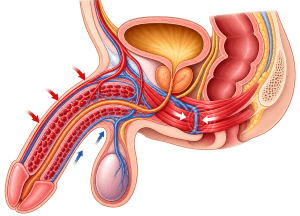 PFMs play a key role in this process by supporting blood retention, increasing erection rigidity, and coordinating the muscular contractions involved in sexual function. PFM exercises strengthen these muscles and enhance their coordination, allowing them to function more efficiently during erection. Rather than increasing testosterone or sexual desire, they improve the physical support needed to sustain normal erectile function. A study indicates that PFM training enhances several mechanical and neuromuscular processes involved in achieving and maintaining erections [2].
Pelvic floor exercises help erectile function by:
- improving venous occlusion: Stronger bulbocavernosus and ischiocavernosus muscles compress veins at the base of the penis, reducing blood outflow and helping maintain firmer, longer-lasting erections. Weakness in these muscles may contribute to venous leak, a recognized cause of ED;
- increasing erection rigidity: Stronger contractions generate greater intracavernosal pressure, improving penile firmness;
- enhancing neuromuscular coordination: Regular training improves coordination between the PFMs and the pudendal nerve, supporting faster, more efficient muscle contractions during arousal;
- improving ejaculatory control: Better muscle strength and coordination may increase voluntary control over ejaculation and complement conservative control of premature ejaculation (PE);
- supporting overall pelvic health: Improved muscle function enhances bladder control, pelvic stability, and muscular endurance, indirectly benefiting sexual performance.
Clinical evidence supports these benefits. A randomized controlled trial found that 40% of men regained normal erectile function and 35.5% experienced significant improvement after supervised PFM training [3]. A 2019 systematic review of 10 clinical trials likewise concluded that pelvic floor muscle training is an effective conservative therapy for ED and PE [4].
Although it cannot treat every cause of ED, pelvic floor muscle training is a safe, low-risk therapy that is most effective when combined with healthy lifestyle habits and appropriate management of underlying medical conditions.
How to Find the Right Muscles
Before starting pelvic floor exercises, you must first identify the correct muscles. Tightening the buttocks, abdominal muscles, or inner thighs instead of the pelvic floor is one of the most common mistakes, as this makes the exercises less effective. Correct muscle identification ensures each contraction targets the muscles responsible for urinary control, bowel function, ejaculation, and erectile function.
Several simple techniques can help you locate the PFMs:
| Method | |
| The Urination Interruption Test | While urinating, briefly try to stop or slow the flow of urine. The muscles you feel contracting are your pelvic floor muscles. Use this method only once or twice for identification. Regularly performing Kegel exercises during urination is not recommended, as it may interfere with normal bladder emptying and disrupt the natural urination reflex. |
| The Anal Lift Test | Imagine trying to prevent yourself from passing gas. You should feel a gentle lifting sensation around the anus that extends toward the base of the penis. Many pelvic health physiotherapists describe this as an “elevator” movement—a smooth upward lift rather than a forceful squeeze. |
| Visual Confirmation | Stand unclothed in front of a mirror and gently tighten your pelvic floor. When performed correctly, the base of the penis and the scrotum should lift slightly. Continue breathing normally, and keep your buttocks, thighs, and abdominal muscles relaxed. If those muscles tighten or your pelvis tilts, you are likely contracting the wrong muscles. |
| Use a Gentle Mental Cue | Think of a gentle lifting sensation inside your pelvis instead of squeezing as hard as possible. This cue encourages a slow, controlled contraction followed by complete relaxation, which is essential for effective pelvic floor function.
If contractions cause pain, persistent tension, or difficulty relaxing afterward, you may have hypertonic PFMs. In such cases, physiotherapy, relaxation exercises, stretching, or manual therapy may be recommended before strengthening begins. |
If you still cannot determine the right muscles—or you have persistent ED, urinary leakage, chronic pelvic pain, or are recovering from prostate surgery—consult a men’s health or pelvic health physiotherapist. They can confirm correct muscle activation using digital rectal examination (DRE), surface electromyography (EMG) biofeedback, or real-time ultrasound.
Step-by-Step Kegel Exercises for Men
Once you have correctly identified your PFMs, you can begin a structured PFM training program. Like other skeletal muscles, the pelvic floor becomes stronger through regular, progressive exercise rather than occasional, forceful contractions. The goal is to improve muscle strength, endurance, coordination, and control—not to squeeze as hard as possible. Regular training over several weeks offers the greatest potential for improving erectile function, urinary continence, and ejaculatory control.
Before each session, empty your bladder, wear comfortable clothing, and choose a quiet place where you can focus. Breathe normally throughout every repetition, and avoid tightening your buttocks, abdomen, or inner thighs, as these larger muscles reduce pelvic floor activation. Proper technique is more important than force.
| Phase | Weeks | |
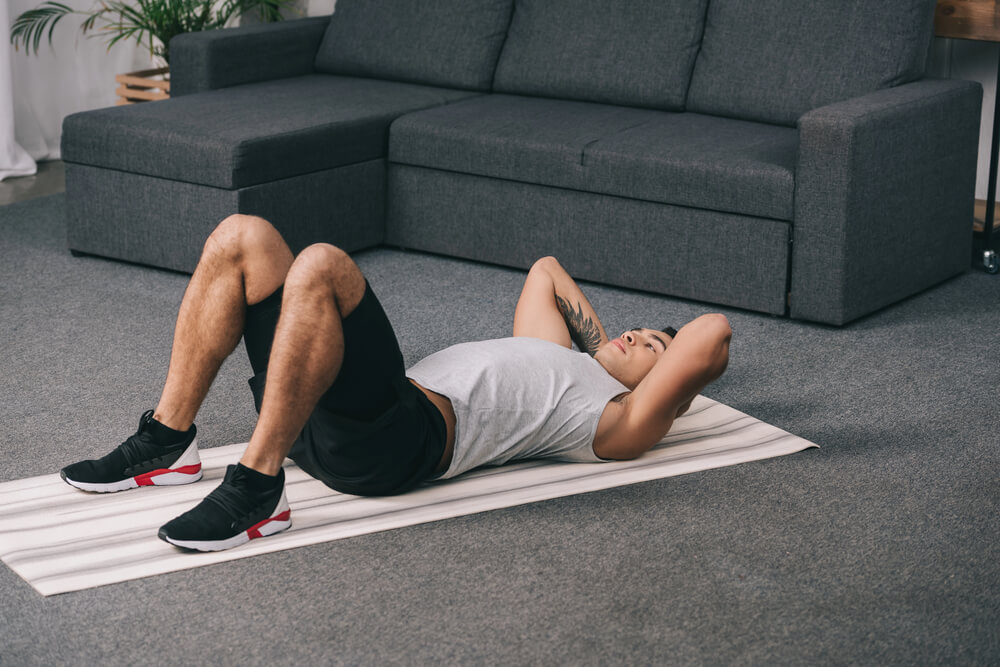
| Foundation | 1–3 | The first stage focuses on learning correct muscle activation. Lie on your back with your knees flexed and feet flat, as this position minimizes gravity and makes the pelvic floor easier to isolate. Imagine that you are trying to stop the flow of urine and prevent yourself from passing gas. You should feel a smooth lifting sensation from the anus toward the base of the penis rather than a forceful squeeze.
Hold each contraction for 3 seconds, then completely relax for 6 seconds. Full relaxation is essential, as constantly tightening the muscles may contribute to fatigue or excessive pelvic floor tension. Perform 10 contractions per set, 3 sets daily (morning, afternoon, and evening). During this phase, prioritize consistency and correct technique over intensity. |
| Endurance Building | 4–8 | Once you can perform the exercises comfortably with proper technique, the next step is to build muscular endurance by gradually increasing the length of each contraction. Aim to contract the pelvic floor for 5 seconds, then relax completely for 10 seconds before repeating. Perform 12 contractions per set, 3 sets each day.
After every set, complete 10 quick contractions (quick flicks) by tightening and relaxing the muscles for about one second each. These rapid contractions target the fast-twitch muscle fibers used during coughing, sneezing, lifting, urinary continence, and ejaculation, while the longer holds build endurance. |
| Functional Strength | 9–12 | Increase each contraction to 8–10 seconds, followed by 10 seconds of relaxation. Perform 15 contractions per set, 3 sets daily, then finish each set with 10 quick contractions. As control improves, begin gently contracting your pelvic floor immediately before coughing, sneezing, lifting heavy objects, climbing stairs, or standing from a chair. Some pelvic health physiotherapists also recommend learning to gently contract the pelvic floor during sexual activity to improve muscular coordination and support erection quality and ejaculatory control. |
Breathing, Frequency, and Progress
Exhale gently while contracting the pelvic floor and inhale as you relax. Never hold your breath, as this increases pressure inside the abdomen and makes proper muscle activation more difficult. Complete three sessions each day, allowing time for recovery between sessions. Performing significantly more repetitions than recommended will not speed progress and may lead to muscle fatigue or excessive tension. Keep a simple diary of your sessions, hold times, erection quality, urinary symptoms, ejaculatory control, and any discomfort to monitor gradual improvements.
When to Seek Medical Advice
Pelvic floor exercises should not cause significant pain. Stop exercising and consult a healthcare professional if you develop persistent pelvic pain, worsening urinary symptoms, increasing difficulty relaxing the pelvic floor, or experience no meaningful improvement after approximately 12 weeks of consistent training.
Men with chronic pelvic pain, previous prostate surgery, severe ED, urinary incontinence, or suspected hypertonic PFMs should consider assessment by a men’s health or pelvic health physiotherapist. Using DRE, surface EMG biofeedback, or real-time ultrasound, they can determine whether the muscles are weak, poorly coordinated, or excessively tight and develop an individualized rehabilitation program that may include strengthening, relaxation, stretching, manual therapy, or biofeedback.
Common Mistakes to Avoid

PFM training can be effective when performed correctly, but several common mistakes can reduce its benefits or even worsen symptoms. Proper technique, consistency, and gradual progression are far more important than squeezing as hard as possible.
One of the most common mistakes is contracting the wrong muscles. Many men tighten the buttocks, abdominal muscles, or inner thighs rather than the pelvic floor. This reduces exercise effectiveness. During each contraction, these larger muscles should remain relaxed while the pelvic floor performs a gentle, controlled lift.
Another frequent mistake is skipping the relaxation phase. Every contraction should be followed by complete relaxation. Remaining partially contracted may lead to muscle fatigue, poor coordination, and hypertonic PFMs. Likewise, overtraining or increasing hold times too quickly can delay recovery because the pelvic floor, like any skeletal muscle, needs adequate rest.
The urine interruption test should be used once or twice to identify the correct muscles. Repeatedly stopping urine flow as an exercise may interfere with normal bladder emptying and urinary reflexes. Not all pelvic floor dysfunction is caused by muscle weakness. Men with chronic pelvic pain, perineal pressure, painful ejaculation, constipation, or difficulty relaxing the pelvic floor may benefit from pelvic floor physiotherapy, breathing exercises, stretches, myofascial release, or therapeutic massage before beginning strengthening exercises.
Finally, avoid expecting immediate results or relying on Kegel exercises alone. Maintaining a healthy weight, exercising regularly, limiting alcohol, quitting smoking, and managing conditions such as diabetes, obesity, hypertension, hormonal disorders, cardiovascular disease, or medication-related ED provide the best outcomes for long-term male pelvic health.
When to Expect Results

Pelvic floor training is not a quick fix for ED. Like any muscle-strengthening program, it takes time for the PFMs to develop the strength, endurance, and coordination needed to sustain erectile function. While some men notice improved muscle awareness or urinary control within a few weeks, most clinically meaningful improvements occur after 6–12 weeks of consistent, correctly performed training.
As the muscles become stronger, some men experience firmer erections, improved ability to maintain an erection, better ejaculatory control, and greater confidence during sexual activity. However, results vary depending on factors such as age, the underlying cause and severity of ED, overall health, and adherence to the exercise program.
A study reported significant improvements after approximately three months of supervised PFM training, while a subsequent systematic review concluded that consistent pelvic floor training can enhance erectile function in appropriately selected men, particularly those with pelvic floor weakness rather than severe vascular, neurological, or hormonal disorders [3].
For the best results, exercise daily, progress gradually, and combine pelvic floor activity with healthy lifestyle habits. If symptoms persist after about 12 weeks, consult a healthcare provider or pelvic health physiotherapist for further assessment.
Who Benefits Most
PFM training can benefit many men with ED, but the greatest improvements occur when pelvic floor weakness contributes to the condition. Because these exercises strengthen the muscles that help trap blood within the penis and support erection quality, they are most effective for specific groups of men.
Those most likely to benefit include:
- men with mild-to-moderate ED: Clinical trials and systematic reviews report the greatest improvements in men with mild or moderate ED who perform the exercises consistently for at least 6–12 weeks;
- men with veno-occlusive dysfunction (venous leak): Stronger bulbocavernosus and ischiocavernosus muscles may enhance venous occlusion, helping maintain firmer, longer-lasting erections;
- men recovering from radical prostatectomy: Supervised PFM training started before surgery and continued afterward helps restore urinary continence sooner and may support erectile function recovery by strengthening the muscles beneath the bladder and improving pelvic floor control [5];
- men with PE: Improved pelvic floor strength and coordination may increase voluntary control over ejaculation;
- younger or sedentary men: Deconditioned PFMs often respond well to structured training;
- men with mixed or psychogenic ED: Those with mild vascular disease, performance anxiety, or pelvic floor dysfunction may benefit when exercises are combined with appropriate medical or psychological care.
Pelvic floor training is less effective as a stand-alone treatment for severe vascular disease, advanced diabetic neuropathy, major nerve injury, or untreated testosterone deficiency. In these cases, they should complement medical treatment, lifestyle changes, and professional guidance to optimize erectile function and overall male health.
FAQs

Do pelvic floor exercises help erectile dysfunction in men?
Yes. Pelvic floor training can improve erectile function, especially when weak PFMs contribute to the problem. Strengthening the bulbocavernosus and ischiocavernosus muscles helps retain blood in the penis, supporting firmer, longer-lasting erections. Consistent pelvic floor muscle training for 6–12 weeks can significantly improve erectile function in many men with mild to moderate ED. The best results occur when the exercises are combined with healthy lifestyle habits and appropriate treatment for underlying medical conditions.
Can weak or tight pelvic floor muscles cause ED?
Yes. Weak PFMs may fail to retain enough blood within the penis, making erections difficult to maintain. Conversely, hypertonic muscles can impair muscle coordination, compress nearby nerves, restrict normal blood flow, and contribute to pelvic pain or painful ejaculation. Because treatment varies, it is essential to identify whether the muscles are weak or excessively tight. Weak muscles generally benefit from strengthening exercises, while hypertonic muscles often require physiotherapy, stretching, breathing exercises, or myofascial release first.
What does research say about pelvic floor therapy for male sexual health?
Research supports PFM training as an effective conservative treatment for selected men with ED and PE. A study found that 40% of participants regained normal erectile function after supervised training, while many others improved significantly [3]. A later systematic review also concluded that PFM training benefits men with ED and PE, although no single exercise protocol has been established as the standard approach [4].
Are physiotherapy, massage, and stretches helpful for hypertonic pelvic floor muscles?
Yes. Men with hypertonic PFMs often benefit from pelvic floor physiotherapy, therapeutic massage, stretching, breathing exercises, trigger-point release, and biofeedback. These treatments help decrease muscle tension, improve flexibility, restore normal coordination, and relieve symptoms such as pelvic pain, urinary urgency, painful ejaculation, and ED. Once the muscles relax and function normally, a gradual strengthening program may be introduced if weakness is also present, as it supports long-term pelvic floor and sexual health.
Conclusion
PFM training is a safe, low-cost, and evidence-based approach that can improve erectile function, urinary control, and ejaculatory control in men with pelvic floor dysfunction. Success depends on correctly identifying the muscles, using proper technique, and practicing consistently for 6–12 weeks. Men with hypertonic PFMs should first address muscle tension through physiotherapy, massage, stretching, and relaxation techniques. For the best outcomes, combine pelvic floor training with regular physical activity, a healthy lifestyle, and treatment of underlying medical conditions. If symptoms persist, seek evaluation from a healthcare provider or pelvic health physiotherapist.
References:
- Role of the bulbocavernosus muscles on the mechanism of human erection. By E. Wespes, M. C. Nogueira, A. G. Herbaut, M. Caufriez, and C. C. Schulman. Published: 1990. Pubmed.ncbi.nlm.nih.gov.
- Pelvic floor muscle training improves erectile dysfunction and premature ejaculation: a systematic review. By Christopher Myers and Moira Smith. Published: June 2019. Sciencedirect.com.
- Pelvic floor exercises for erectile dysfunction. By Grace Dorey, Mark J. Speakman, Roger C. L. Feneley, Annette Swinkels, and Christopher D. R. Dunn. Published: September 2005. Pubmed.ncbi.nlm.nih.gov.
- Pelvic floor muscle training improves erectile dysfunction and premature ejaculation: a systematic review. Published: January 14, 2019. By Christopher Myers and Moira Smith. Pubmed.ncbi.nlm.nih.gov.
- A pelvic floor exercise program starting before prostate surgery improves the recovery of urinary continence (pdf). By Wendy Winnall. Published: December 2019. Menshealthphysiotherapy.com.au.
Head Researcher